Your body is a quiet, tireless athlete. Every morning, you wake up and step onto the invisible field of your daily existence. Your heart beats with steady rhythm while your muscles carry you through sunrise routines. You carry heavy grocery bags across asphalt parking lots. You chase stray dogs or restless thoughts. You scale steep stairwells with sheer willpower.
To keep this remarkable machine running smoothly, you need fuel. Protein acts as the essential brick and mortar for your physical sanctuary. Yet your relationship with this macro nutrient evolves as decades roll past. What nourished your energetic twenty-something self will not quite match what your wiser, mature body craves today.
Understanding your protein needs by age helps you thrive across every season of existence. You do not need rigid rules or exhausting meal tracking to get this right. Let us explore how your body’s building block requirements shift over time. Here is how you can gently feed your strength without losing your mind.
The Golden Building Years: Twenties and Thirties
In your twenties and thirties, your body feels virtually indestructible. You can sprint for a bus, survive on four hours of sleep, and digest questionable late-night pizza choices without a second thought. Your muscles rebound quickly from strain. Your natural cellular repair machinery runs at peak efficiency.
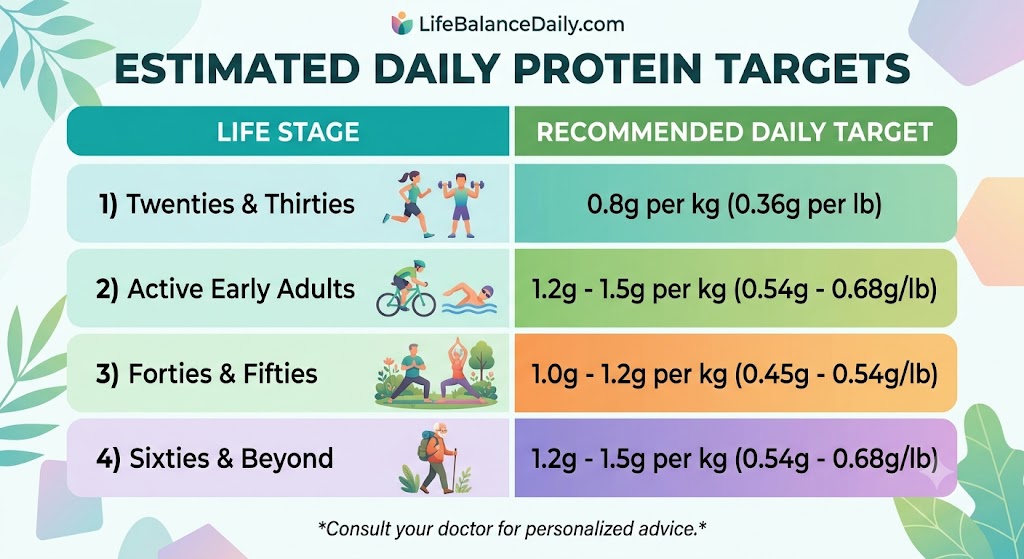
During these vibrant early adult decades, standard guidelines suggest consuming roughly 0.8 grams of protein per kilogram of body weight each day. That equals about 0.36 grams per pound. For a person weighing 150 pounds, that target lands right around 54 grams daily.
If you lift heavy weights or run marathons, your personal target might lean higher. Active adults often thrive closer to 1.2 to 1.5 grams per kilogram. Your muscles constantly repair microscopic tears from physical stress.
Do not stress over exact numbers or whip out a micro-scale at dinner parties. A palm-sized portion of chicken or tofu easily delivers twenty to thirty grams in one sitting. You can also throw a handful of almonds into your bag for an effortless afternoon lift.
Meeting these baseline goals keeps your energy steady and supports your active routines. Think of protein during this era as keeping a full tank of gas in a reliable sports car. It keeps you cruising smoothly toward every goal.
Midlife Reinvention: Forties and Fifties
When you hit your forties and fifties, your metabolism quietly shifts gears. You might notice that building lean muscle requires a little more intentional effort than it used to. This shift happens because of a natural biological process called anabolic resistance.
Your muscle tissue becomes slightly less responsive to digested amino acids. To get the same muscle-repair signal you enjoyed at age twenty-five, your body now requires a bit more protein in each meal.
Nutrition experts frequently recommend bumping your daily intake up during midlife. Target around 1.0 to 1.2 grams per kilogram of body weight. For that same 150-pound person, the daily target rises to roughly 68 to 82 grams.
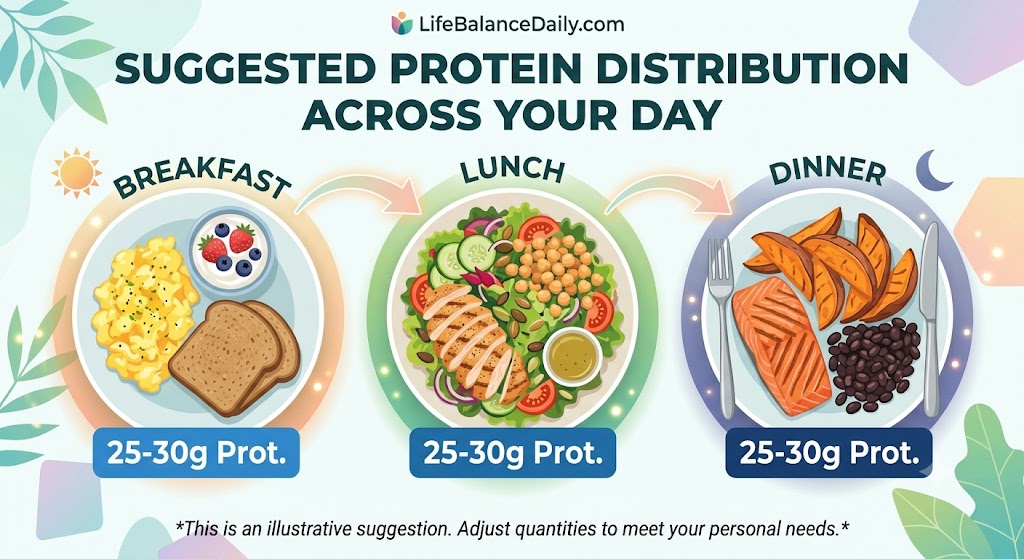
Spreading your intake evenly across breakfast, lunch, and dinner works better than eating one massive protein-heavy dinner. Aim for roughly twenty-five to thirty grams per meal. This even distribution gives your muscles a steady stream of building blocks throughout the entire day.
Adding eggs to breakfast or stirring Greek yogurt into your snack routine makes this transition painless. You do not need to overhaul your entire kitchen pantry overnight. Small, gentle additions will protect your strength while keeping your midlife energy soaring high.
The Prime Wisdom Decades: Sixties and Beyond
As you step into your sixties and seventies, staying strong becomes your ultimate superpower. Maintaining muscle mass protects your physical independence, stabilizes your balance, and keeps your joints moving comfortably.
However, older adults naturally lose muscle tissue through a process known as sarcopenia. Digesting and processing protein also grows slightly less efficient with age. Because of these factors, your dietary requirements actually increase rather than decrease.
Many geriatric health experts advocate for 1.2 to 1.5 grams of protein per kilogram of body weight daily for older adults. That means a 150-pound adult in their seventies might aim for 82 to 102 grams each day.
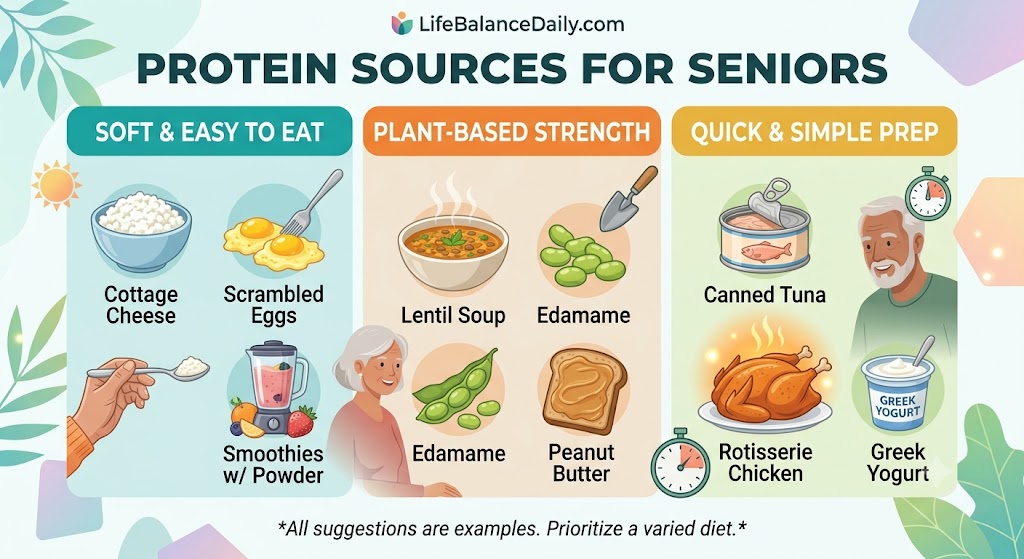
Appetite sometimes decreases in later years, which can make hitting higher targets feel slightly challenging. Focus on soft, easily digestible foods like cottage cheese, poached fish, lentil soups, or protein-rich smoothies.
If you miss your target on Tuesday, do not sweat it. Nutrition is a lifelong conversation, not an exam with strict pass or fail scores. Be kind to yourself as you nourish your body for long-term vitality and freedom of movement.
Plant vs. Animal Sources: Pick Your Palette
You do not need to consume endless plain chicken breasts to hit your daily goals. Protein exists in a vibrant spectrum of delicious foods across both plant and animal kingdoms.
Animal sources like poultry, fish, eggs, and dairy are considered complete proteins. They contain all nine essential amino acids that your body cannot manufacture on its own. They offer concentrated nourishment in relatively small serving sizes.
Plant sources like beans, lentils, quinoa, nuts, and tofu bring incredible benefits to the table too. They come packed with dietary fiber, beneficial antioxidants, and heart-healthy minerals.
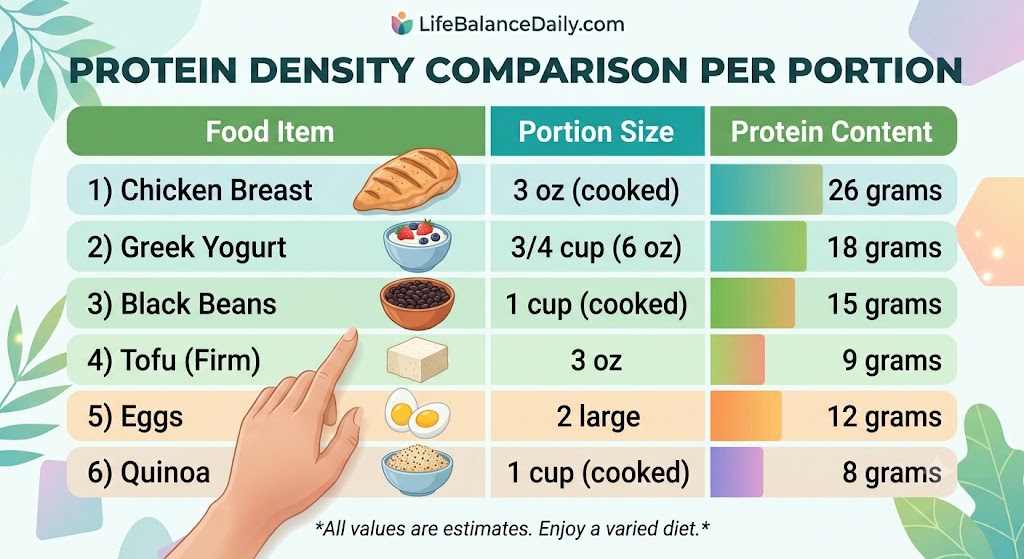
Plant proteins sometimes contain lower amounts of specific amino acids. You can easily solve this by eating a varied diet throughout the week. Pairing rice with beans or dipping whole wheat bread into hummus creates complete protein combinations naturally.
Choose whatever foods align with your personal values, digest well, and taste fantastic to you. Mix and match flexible options to build a colorful plate that honors your tastebuds and your health goals equally.
Easy Ways to Add Protein Without Overthinking
Fitting more protein into your life should feel simple and deeply satisfying, not like taking on an unpaid second job. You do not need complex spreadsheets or intense prep rituals to nourish your body properly.
Start by making micro-upgrades to foods you already enjoy eating every week. Swap standard yogurt for creamy Greek yogurt to double your protein intake instantly. Toss a handful of hemp seeds or chia seeds into your morning oatmeal bowl.
Keep convenient, low-effort protein options stored safely in your kitchen pantry for busy afternoons. Canned tuna, roasted chickpeas, hard-boiled eggs, and string cheese save the day when energy runs low.
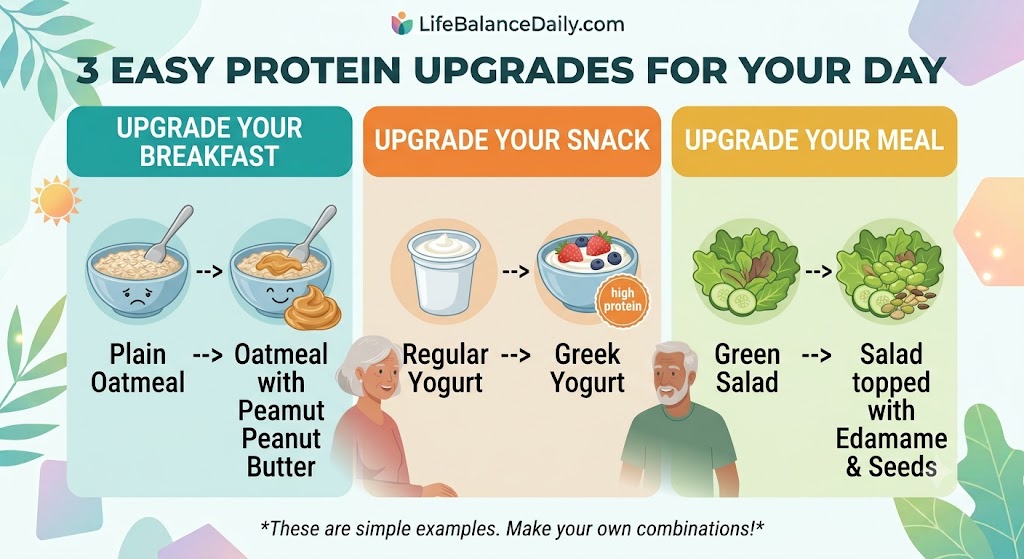
Add a scoop of your favorite protein powder to a fruit smoothie if you need a quick boost on busy days. Remember that every small choice adds up over time.
Listen gently to your body’s unique hunger signals and adjust as you go along. Nourishing yourself is a continuous act of self-care. Give yourself permission to keep things easy, enjoyable, and completely stress-free.