You have, at some point, watched a video of someone lining up seven identical glass containers on a marble countertop, each one filled with a rainbow of quinoa and roasted vegetables arranged with the geometric precision of a Mondrian painting, and you have thought: sure. That’ll be me. This Sunday. And then Sunday arrived, and something came up — it’s always something, a brunch invitation, a nap that ate the entire afternoon, a sudden and pressing need to reorganize your sock drawer — and you ordered takeout again, guiltily, defiantly, while telling yourself next week would be different. This is not a piece about becoming the marble-countertop person. That person, statistically, does not exist outside of sponsored content. This is a piece about building a meal prep system that survives contact with an actual week — the meetings that run long, the energy that evaporates by Wednesday, the sheer, crushing tedium of eating the same chicken thigh four days running. You don’t need color-coded containers or a labeling system worthy of a crime scene. As busy professionals, you need something durable, forgiving, and just interesting enough that you don’t mutiny by Thursday.
Step One: Pick a Ride-or-Die Base, Not a Personality
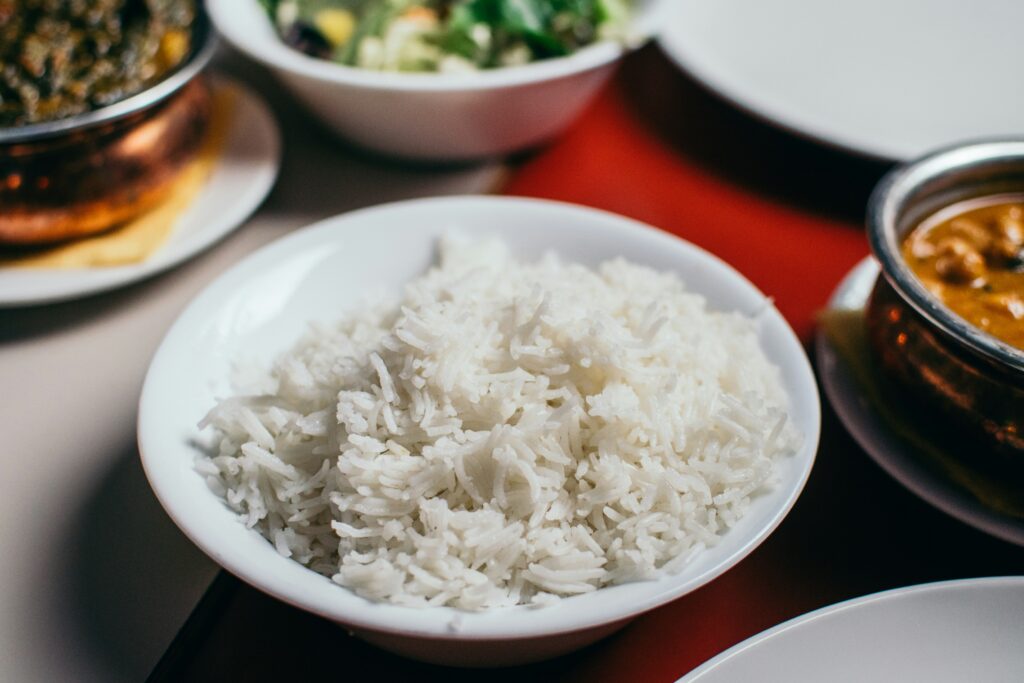
Before you buy a single vegetable, decide on your starch. Rice. Potatoes. Some form of grain that cooks in a pot and asks nothing else of you. This is not the fun part, and it’s not supposed to be — the base is infrastructure, not art. Cook a large batch, portion it, forget about it. It will sit in your fridge like a patient, uncomplaining friend, waiting to become dinner. Do not, under any circumstances, decide on Tuesday that this week’s base is farro because you saw it in a magazine. Farro is a trap. Farro takes forty minutes and tastes like a rounding error. Rice takes eighteen minutes and doesn’t judge you.
Step Two: Protein, in Bulk, Without Ceremony

Pick one protein — chicken thighs, ground turkey, a slab of tofu that will spend its life pretending to be something else — and cook the whole package at once. A sheet pan. An oven set to 400. Forty-five minutes of your life you’ll never get back, and also the only forty-five minutes all week you’ll spend on food that isn’t reheating. Season it aggressively, because bland protein reheated five days in a row is a special kind of culinary punishment, the sort of thing that makes a grown adult stare into a Tupperware container at 12:15 on a Wednesday and quietly consider a career change.
Here’s the part nobody tells you: you’re not cooking five dinners. You’re cooking one dinner, five times, with the seasoning doing all the emotional labor of variety. Lean into it. Buy the good paprika.
Step Three: Vegetables Are a Ecosystem, Not a Chore
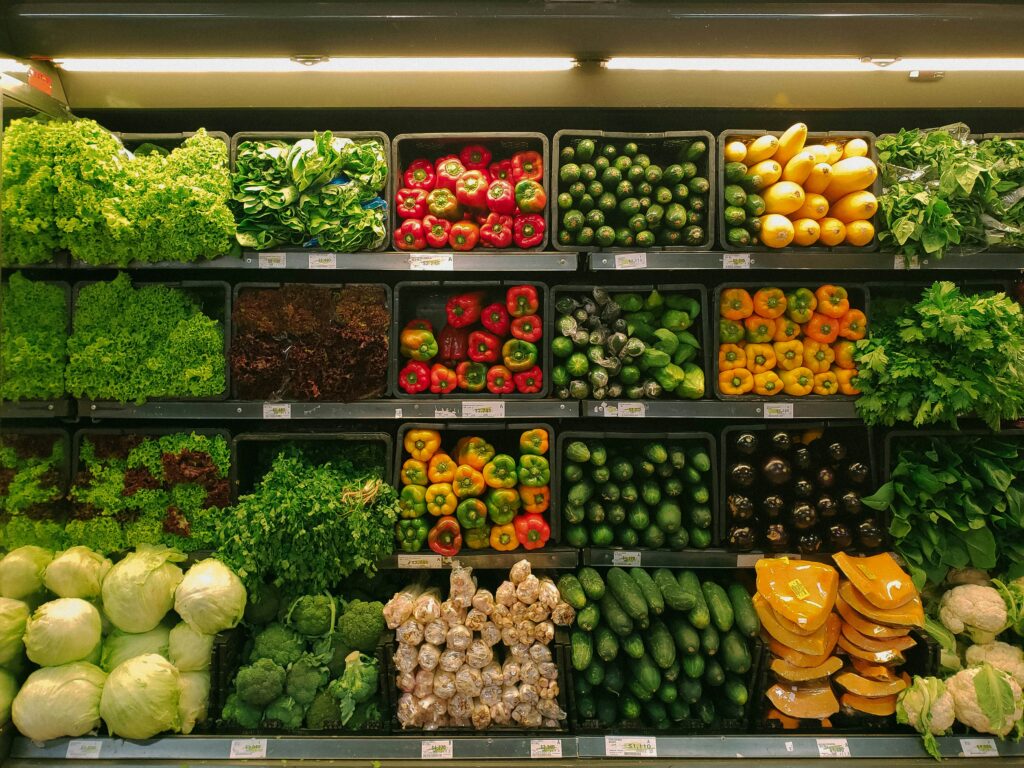
Roast two vegetables. That’s it, two — one that holds up (broccoli, carrots, anything with the structural integrity to survive a Tuesday reheat) and one that’s there for morale (something bright, something that makes the plate look less like a crime scene and more like a meal an adult chose on purpose). Toss them in oil, salt them like you mean it, roast until the edges go a little dark and a little sweet. This takes twenty-five minutes, most of which you’ll spend doing literally anything else — scrolling, staring at the wall, having a small existential moment about how you spend your Sundays now.
The vegetables are doing more work than you think. They’re the difference between “meal prep” and “sad desk lunch.” Don’t skip them. Don’t half-ass them either — a limp, under-seasoned vegetable is worse than no vegetable, an insult wrapped in a side dish.
Step Four: The Sauce Is Not Optional
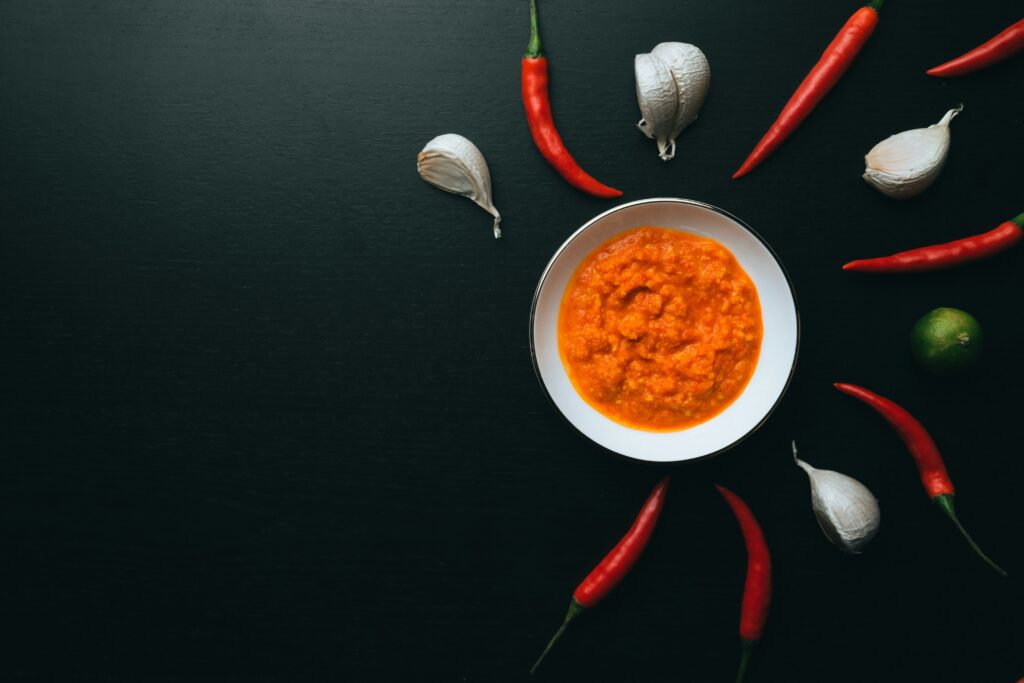
If there is one sentence to tattoo somewhere visible — the inside of a cabinet, the back of your hand — it’s this: sauce saves everything. A spoonful of something sharp and loud — a chili crisp, a tahini-lemon situation, a peanut sauce you made in four minutes in a blender — turns “the same chicken again” into “oh, this again, hell yes.” You are not cooking five different meals this week. You are cooking one meal and disguising it, competently, four separate times, like a fugitive with a very good fake mustache.
Make the sauce Sunday. Store it separately. Add it fresh each day, right before you eat, because a sauce that’s been sitting on rice since Monday is not a sauce anymore — it’s a cautionary tale.
Step Five: Containers, Chosen With Restraint
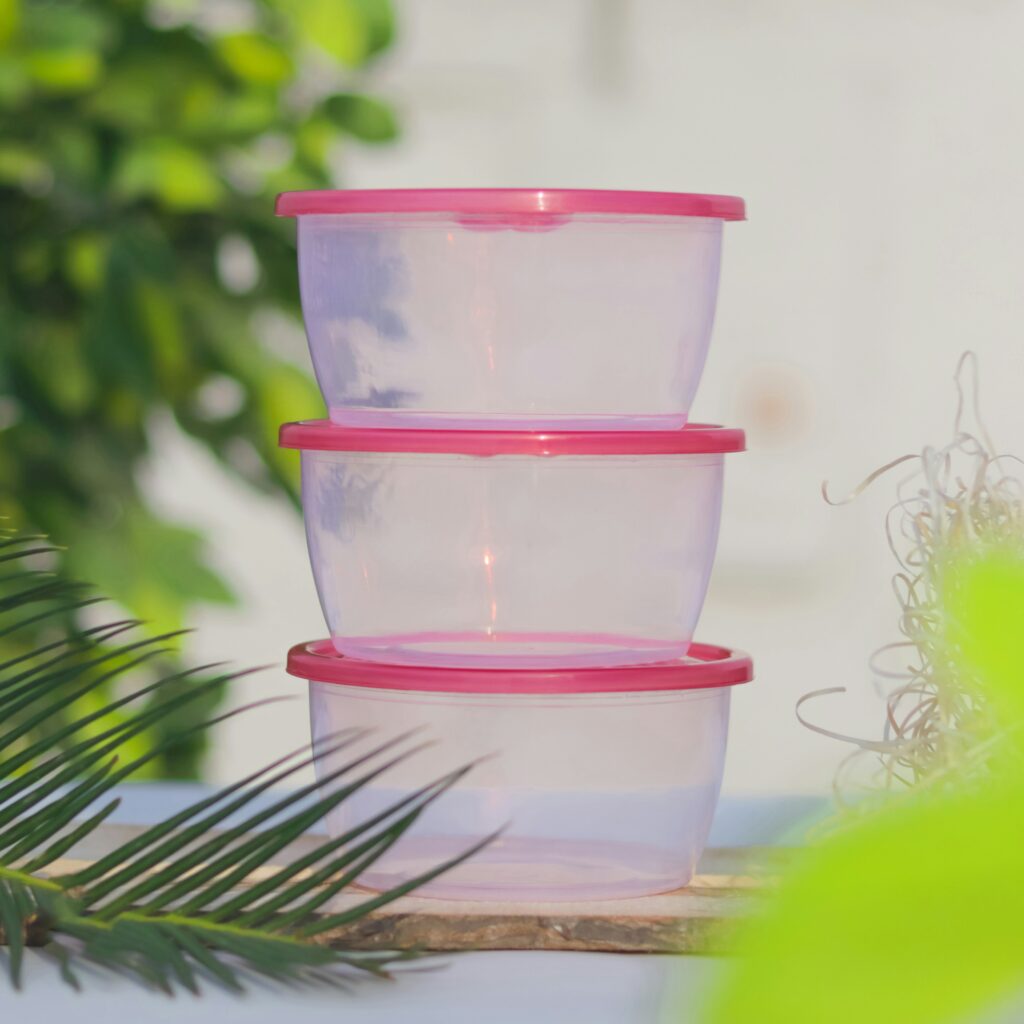
You do not need seven matching glass containers with bamboo lids and a name laser-engraved on the side. You need containers that seal, stack, and survive a microwave without releasing a chemical you can’t pronounce. Buy a modest set. Resist the urge to buy the aspirational set, the one that implies a version of you who meal preps with a podcast on and a clean apron — that person is fictional, and you will resent the dishes she left behind.
One container per day. Base on the bottom, protein and vegetables on top, sauce in a tiny separate cup because — see Step Four — sauce waits for no one and certainly doesn’t wait for Wednesday’s rice to get soggy under it.
Step Six: The Sunday Two-Hour Window (Not a Sunday, Just a Window)

Here is the actual, unglamorous math: one pot of grain, one sheet pan of protein, one sheet pan of vegetables, one blender’s worth of sauce. Run them in parallel — oven doing two things at once, stove doing the rice, you doing dishes in the gaps because a clean-as-you-go kitchen is the only mercy you’ll get this week. Two hours, give or take. Maybe a podcast, maybe a phone call with your mother where you both pretend you’re not distracted. At the end of it: five lunches, five dinners if you’re doubling down, and a fridge that finally looks like it belongs to someone with a plan instead of someone improvising through Thursday on crackers and spite.
You will not enjoy this window. Nobody does. It is chore, not ritual, no matter what the wellness influencers insist. But it is a chore that buys back four other days entirely — and that trade, when you actually sit with it, is close to magic. Two hours for the gift of not deciding anything at 7 p.m. on a Tuesday when your brain has already clocked out. Two hours in exchange for not standing in front of an open fridge at 9 p.m., illuminated like a ghost, deciding between cereal and despair.
Step Seven: Build In an Escape Hatch
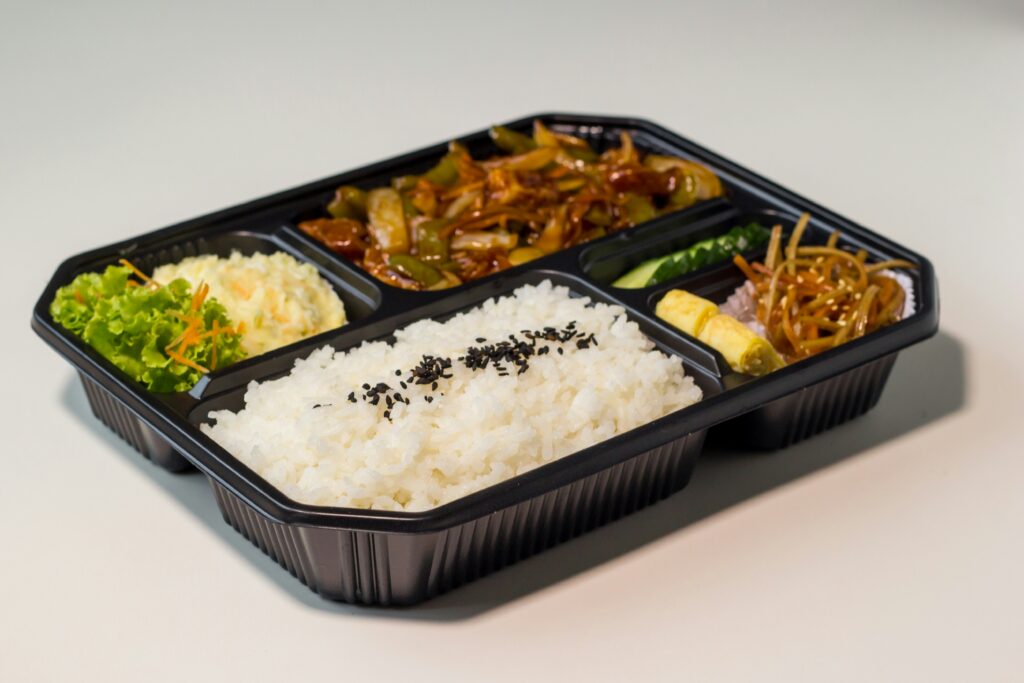
No system survives a week untouched, and pretending yours will is how people quit meal prep entirely by February. Keep one frozen backup meal — something genuinely fine, not aspirational — for the day everything goes sideways. The day a meeting eats your lunch hour. The day you forgot the container at home, sitting smugly on your kitchen counter, mocking you from thirty minutes away. Having an escape hatch means one bad day doesn’t collapse into a bad week, and a bad week doesn’t collapse into ordering delivery four nights running and telling yourself you’ll “start fresh Monday” — a sentence with a body count higher than almost anything else in modern life.
Step Eight: Rotate the Variables, Not the Whole System
Every two or three weeks, change exactly one thing — swap the protein, swap the sauce, swap the vegetable pairing — and leave the rest alone. This is the part that keeps the whole enterprise from curdling into misery. Total reinvention every Sunday is exhausting and, frankly, a little unhinged; nobody has the bandwidth for that alongside an actual job. But the same five meals on an infinite loop will eventually break something in you, some small, quiet part of your soul that just wanted a little variety. One variable at a time. It’s not a diet. It’s not a lifestyle. It’s just Tuesday, made slightly less bleak.