Gut health and gut health foods tends to get a lot of attention these days. Maybe a friend swears by kefir. Maybe a headline promised a miracle. I will admit the marketing can feel louder than the science. (My pantry has met more probiotic labels than I care to count.)
Here is the calmer view. Your digestive system hosts trillions of microbes. Research suggests a varied diet often supports a diverse mix of them. You do not need a strict plan to help. Small, enjoyable additions generally work well.
We’ll cover 10 gut health foods you can add to your routine at your own pace. Pick one or two that sound good. Skip the rest. Nothing here is a rule, and no single food is required. Think of it as a menu of options, not a checklist. If you have a digestive condition or dietary restriction, a healthcare professional can help you choose what fits.
1. Yogurt With Live Cultures

Yogurt is often the first stop for people exploring gut health foods. Many varieties contain live cultures, which are bacteria added during fermentation. Look for the phrase “live and active cultures” on the label. Some brands heat-treat the product after fermenting, and that step can remove the live bacteria.
Plain yogurt generally gives you the most flexibility. You can stir in fruit, honey, or nuts to match your taste. Sweetened cups tend to carry more added sugar. A quick glance at the label helps. Greek-style options often offer more protein. Regular styles run thinner and milder.
Dairy-free versions made from soy, coconut, or almond can also contain live cultures. The strains vary by brand, so check each label. Try a spoonful with breakfast or blend it into a smoothie. If dairy does not sit well with you, other foods on this list may suit you better. Either way, the choice is yours.
2. Kefir
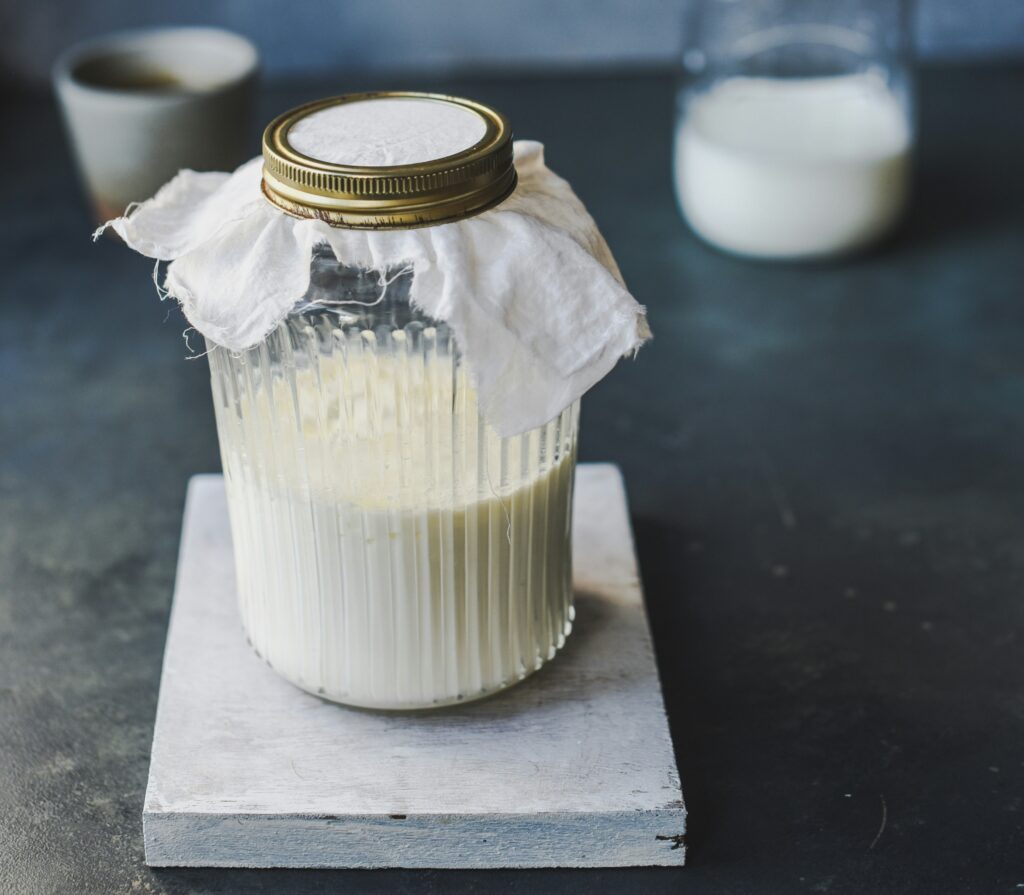
Kefir is a fermented drink with a tangy, slightly fizzy taste. People often compare it to a thin, drinkable yogurt. It usually contains a wider range of microbes than standard yogurt. That variety makes it a popular pick among gut health foods.
You can sip kefir plain, pour it over cereal, or blend it into a smoothie. Flavored bottles often taste milder, though they tend to include added sugar. Plain kefir has a sharper flavor, and some people like to sweeten it with fresh fruit.
Start with a small glass if the flavor is new to you. Some people notice their digestion adjusts slowly to fermented drinks. A little at a time is a perfectly fine approach. Water kefir offers a dairy-free option, and it generally tastes lighter. Store-bought and homemade versions both exist, and store-bought bottles tend to be more consistent. Choose whichever fits your schedule and your comfort level.
3. Sauerkraut
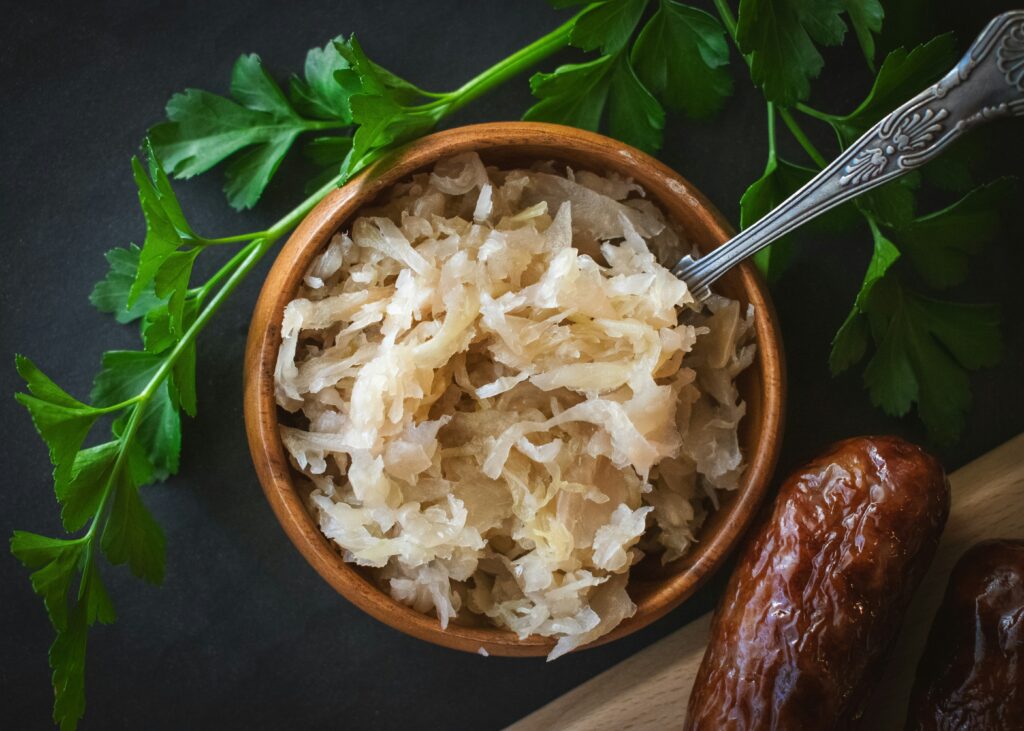
Sauerkraut is fermented cabbage, and it has a long history in kitchens around the world. The fermentation process creates lactic acid bacteria and gives the cabbage its tangy bite. Many people enjoy it as a simple side dish or a sandwich topping.
Not every jar on the shelf contains live bacteria. Shelf-stable versions are usually pasteurized, which can remove the beneficial microbes. Refrigerated jars labeled “raw” or “unpasteurized” more often keep them. The ingredient list should be short, often just cabbage and salt.
Sauerkraut also delivers fiber, which the microbes in your gut tend to enjoy. It can run high in sodium, so a small forkful goes a long way. Try it on eggs, grain bowls, or roasted potatoes. If you follow a low-sodium eating pattern, you may want to check with your healthcare provider first. A spoonful a few times a week is a gentle starting point. You can always adjust from there.
4. Kimchi

Kimchi is a Korean staple made from fermented vegetables, most often napa cabbage. Cooks season it with garlic, ginger, and chili. The result tastes savory, spicy, and tangy all at once. Like sauerkraut, kimchi often contains live lactic acid bacteria when it stays unpasteurized.
Heat levels vary widely, so you can choose a mild jar if spice is not your thing. Some versions include fish sauce or shrimp paste, while vegan versions leave those out. Reading the label helps if you have allergies or dietary preferences.
Kimchi works well as a side dish, but it also fits into many meals. Stir it into fried rice, tuck it into a grilled cheese, or add it to soup. Cooking kimchi at high heat can reduce the live bacteria. Adding it at the end, or eating it cold, tends to preserve more. Use it as a flavor boost rather than a big serving. Small amounts add plenty of taste.
5. Miso
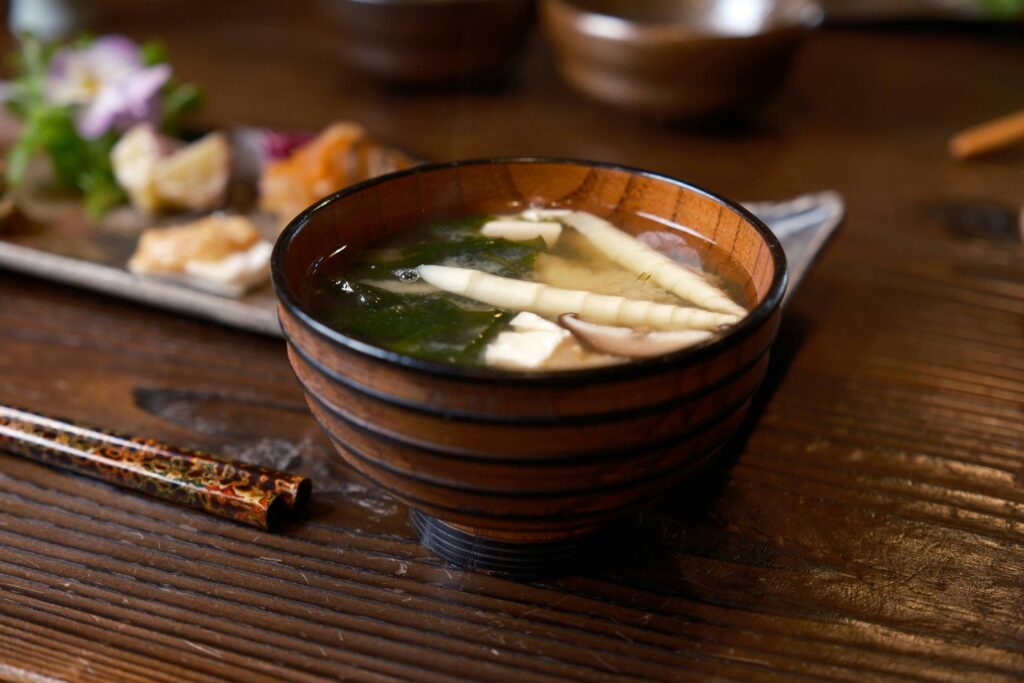
Miso is a Japanese paste made from fermented soybeans and, often, rice or barley. It adds a deep, salty, savory flavor to food. Many home cooks keep a tub in the refrigerator for quick soups and sauces.
The classic use is miso soup. Whisk a spoonful of paste into warm broth. Avoid boiling it. Very high heat can reduce the live cultures. Warm is generally enough to dissolve it.
You can whisk miso into salad dressings, marinades, and glazes. A small amount goes a long way. The paste is quite salty. Lighter white miso tastes mild and slightly sweet. Darker red miso tastes stronger and richer. If you are new to it, white miso is often the friendlier place to begin. People who limit sodium may want to use it sparingly. Miso keeps for months in the refrigerator, so one tub can support many meals. That makes it a low-effort pantry staple.
6. Oats
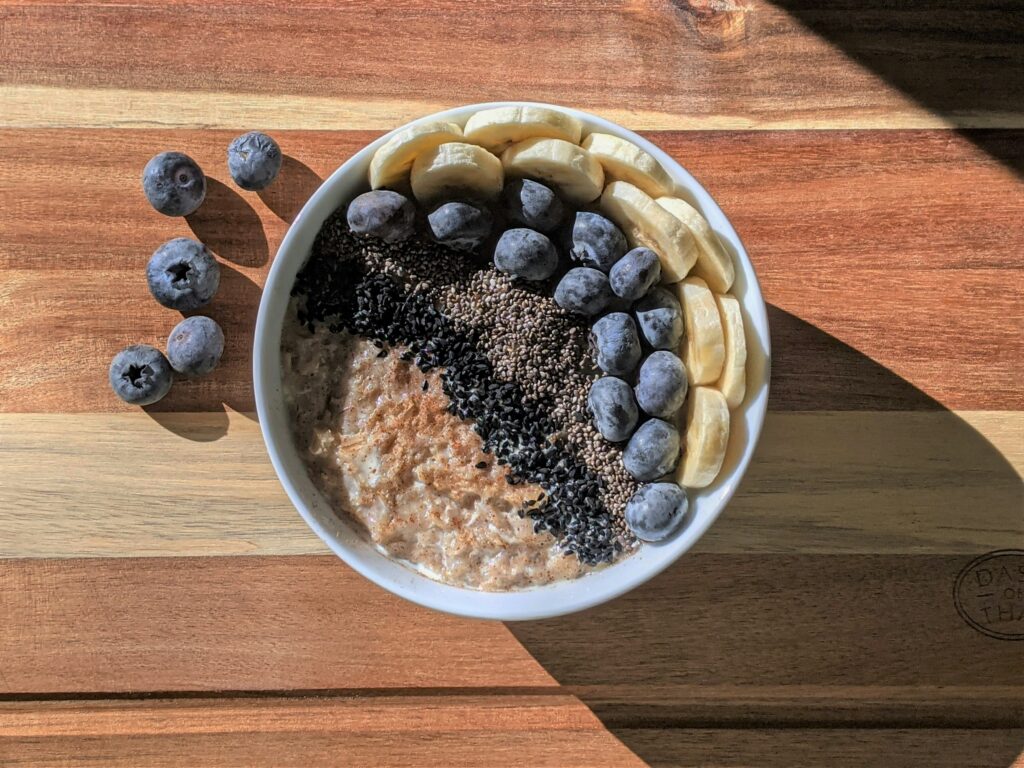
Oats offer a different kind of support among gut health foods. They contain beta-glucan, a soluble fiber that microbes in the gut tend to feed on. Foods like this are often called prebiotics. They do not add bacteria. They provide fuel for the bacteria already there.
A warm bowl of oatmeal is the classic choice. Overnight oats work well if mornings feel rushed. You can also blend oats into smoothies or bake them into muffins. Rolled and steel-cut oats both count, and they differ mainly in texture and cooking time.
Try topping your oats with berries, seeds, or a spoonful of yogurt. That mix pairs fiber with live cultures in one bowl. If you are adding more fiber to your meals, going gradually often feels more comfortable. Drinking enough water can help too. Plain oats are naturally simple, so you can season them sweet or savory. There is no wrong way to enjoy a bowl.
7. Bananas
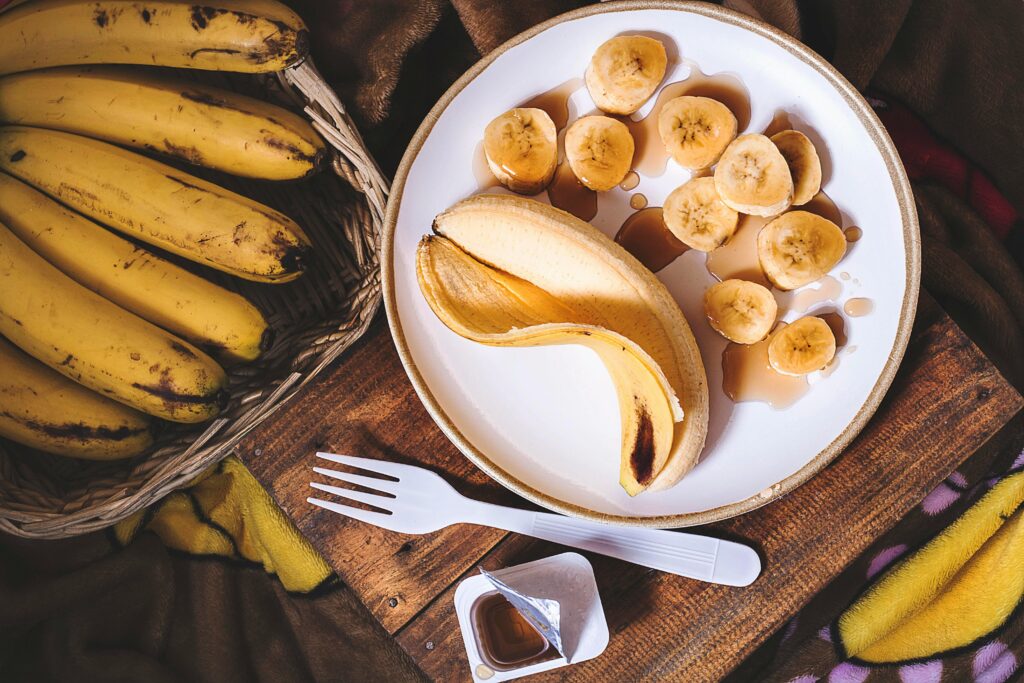
Bananas are easy to find, easy to carry, and gentle for many people. They contain fiber and small amounts of a prebiotic compound called inulin. Slightly green bananas also contain resistant starch, which gut microbes often ferment for energy.
Ripeness changes the experience. Green-tinged bananas have more resistant starch and less sugar. Fully yellow bananas taste sweeter and feel softer. Very ripe bananas work well in baking. You can pick the stage you enjoy most, since each one offers something different.
Bananas fit into almost any routine. Slice one over oatmeal, blend it into a smoothie, or spread it with nut butter. They also make a quick snack between meetings. Many people find bananas easy to digest, which makes them a friendly option on days when your stomach feels sensitive. As with any food, your own comfort matters most. If a certain ripeness sits better with you, that is the right choice.
8. Garlic and Onions
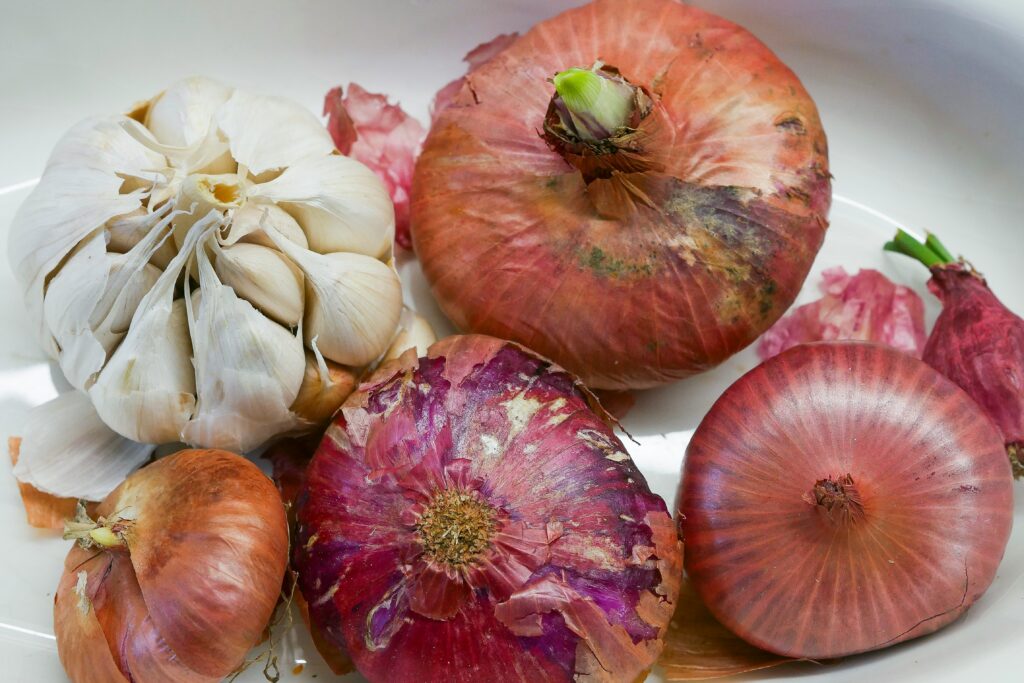
Garlic and onions belong to the allium family, and they add flavor to countless recipes. They also contain prebiotic fibers, including inulin and fructooligosaccharides. These compounds feed friendly bacteria in the gut. Cooks have leaned on these ingredients for centuries, and it turns out they help gut health foods lists too.
The good news is that you likely use them already. Sauté onions as the base for soups, stews, and sauces. Roast a whole head of garlic until it turns soft and sweet. Toss raw red onion into salads for a sharper crunch.
Some people find garlic and onions cause gas or bloating. Sensitivity varies from person to person. If that sounds familiar, smaller portions or cooked versions may feel gentler. Leeks, shallots, and chives offer milder relatives to try. Nothing here needs to be dramatic. A pinch of garlic in your usual dinner counts. You can build up slowly and pay attention to how you feel.
9. Lentils and Beans

Lentils and beans deliver fiber, plant protein, and resistant starch in one affordable package. Gut microbes generally thrive on this kind of variety. Studies often link diets rich in legumes with a more diverse gut environment, though research continues.
Canned beans make the process simple. Rinse them to reduce sodium. Add them to salads, tacos, or soups. Lentils cook quickly and need no soaking, which makes them a friendly starting point. Red lentils turn creamy in soup. Green and brown lentils hold their shape.
Beans can cause gas, especially if your usual diet includes little fiber. Starting with a few spoonfuls tends to help. Soaking dried beans and rinsing canned ones may ease digestion. Over time, many people find their bodies adjust. Chickpeas, black beans, and white beans all count. Try swapping one meal a week and see how it feels. Hummus offers another easy way in, especially with raw vegetables.
10. Berries
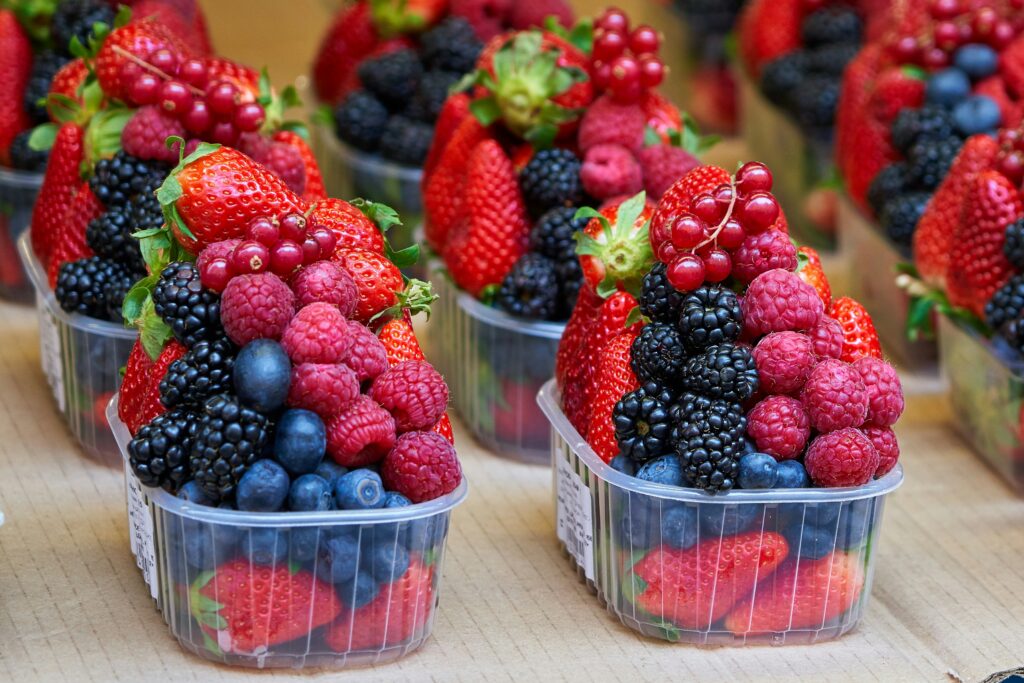
Berries round out this list with color and sweetness. Raspberries, blackberries, blueberries, and strawberries all contain fiber. They carry polyphenols, which are plant compounds that gut microbes may help break down. Early research suggests these compounds could support a balanced gut, though scientists still study the details.
Raspberries and blackberries stand out for fiber, with several grams in a single cup. Blueberries and strawberries offer a bit less. They taste great and travel well. Frozen berries count too. They often cost less, and they keep for months.
Berries pair well with the other foods on this list. Stir them into yogurt, blend them with kefir, or scatter them over oatmeal. They work alone as a light dessert. For more variety, explore other fruits worth adding to your plate. You do not need a special recipe or a measured portion. A handful is plenty for most people. Choose the fresh or frozen berries you enjoy most, and let the rest go. Any choice works.
Building Your Own Gut Health Routine
You do not need all 10 of these gut health foods. Pick the ones that match your taste, budget, and schedule. Maybe that means yogurt with berries on weekday mornings. Maybe it means a bowl of lentil soup on Sundays. Both count.
Variety generally matters more than perfection. Different foods feed different microbes, so a mixed plate often serves you well. Add one new food at a time, and give your body a few days to adjust. If something does not feel right, set it aside without guilt.
Remember that gut health also connects to sleep, movement, stress, and hydration. Food is one piece of a larger picture. Supplements and probiotic products exist, but food-based approaches are often a simple place to start. If you have a medical condition, take medication, or feel unsure, a registered dietitian or doctor can give personalized guidance. Be kind to yourself along the way. Small, steady choices tend to add up.
This article is for general information and does not replace advice from a healthcare professional.