The short answer to coffee vs tea is that both appear to be good for most healthy adults, and neither is a clear winner. Which one suits you probably depends on how much caffeine you tolerate, what you add to the cup, and whether you have a health condition that changes the math. That is less satisfying than a verdict. It is, however, closer to what the research supports.
Most of the evidence comes from large observational studies. These can show that coffee or tea drinkers tend to have lower rates of certain diseases, but they generally cannot prove the drink caused the difference. People who drink three cups of coffee a day may differ from people who don’t in plenty of other ways.
Caffeine: The Biggest Practical Difference
How Much Is In Each Cup
A standard cup of brewed coffee typically has roughly twice the caffeine of black tea and three times that of green tea. For many people, that gap matters more than anything else on this list. It is also the variable you are most likely to feel by mid-afternoon.
How Much Is Too Much?
The FDA considers up to about 400 mg of caffeine a day generally safe for most healthy adults. That is around four cups of brewed coffee, or eight or so cups of black tea. During pregnancy, the American College of Obstetricians and Gynecologists recommends staying under 200 mg a day. Sensitivity varies a lot, so some people may feel shaky well below those limits.
The L-Theanine Question
Tea contains L-theanine, an amino acid that some small studies suggest may take the edge off caffeine and support a calmer kind of focus. The evidence is promising but limited, and most trials have been short. It may explain why some tea drinkers report fewer jitters. It may also simply reflect the lower caffeine dose.
Antioxidants and Plant Compounds
What Coffee Brings

Coffee is rich in polyphenols, especially chlorogenic acids. In some Western diets, studies have found coffee to be one of the largest single sources of dietary antioxidants, mostly because people drink so much of it. Roasting changes the compound mix, so light and dark roasts likely differ somewhat.
What Tea Brings
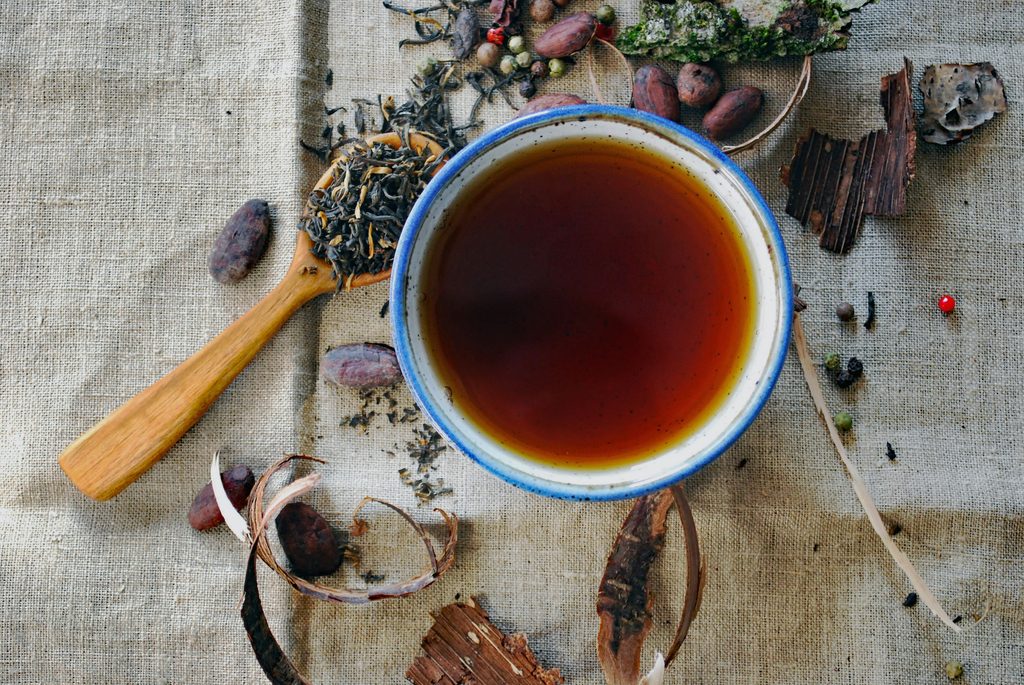
Tea’s main compounds are catechins. Green tea is less processed and keeps more of them, including EGCG, which has been studied heavily in labs. Black tea is oxidized, which converts some catechins into theaflavins. Lab results have been encouraging, though they do not always carry over to people drinking a normal amount of tea.
What the Research Says About Long-Term Health
Heart Health

Moderate coffee intake, often defined as three to five cups a day, has been associated in several large studies with a similar or slightly lower risk of heart disease. One caveat: unfiltered coffee, such as French press or boiled coffee, contains cafestol, which may raise LDL cholesterol. Paper-filtered coffee removes most of it.
Tea has its own supporting data. A 2022 UK Biobank analysis of about 500,000 adults, published in the Annals of Internal Medicine, found that people who drank two or more cups of black tea a day had a modestly lower risk of death from any cause over roughly a decade.
Type 2 Diabetes
Here the evidence leans toward coffee. Regular coffee drinking, including decaf, has been fairly consistently associated with a lower risk of type 2 diabetes. Results for tea have been more mixed, although some studies have found a smaller benefit.
Liver And Brain
Coffee drinkers tend to show lower rates of chronic liver disease, and several studies have linked coffee to a lower risk of Parkinson’s disease. Tea has been studied less on both fronts, which may say more about research funding than about tea itself.
Longevity

A 2012 study in the New England Journal of Medicine followed about 400,000 older adults in the NIH-AARP cohort. Coffee drinkers had a slightly lower risk of death over 13 years. The researchers were careful to note the association could not establish cause.
Potential Downsides of Each
Coffee
The higher caffeine dose is the main issue. Coffee may worsen anxiety, disrupt sleep if you drink it late, and trigger heartburn or reflux in some people. It can also cause a short-term rise in blood pressure, which is usually small but may matter if yours is already high.
Tea
Tea contains tannins, which can reduce how much non-heme iron (the kind in plants and fortified foods) your body absorbs from a meal. If your iron runs low, it may help to drink tea between meals rather than with them. Both drinks can stain teeth.
What You Put In The Cup
This is often the bigger factor. The American Heart Association suggests limiting added sugar to about 25 grams a day for most women and 36 grams for most men. A single sweetened café drink can use up much of that. Plain coffee and plain tea are close to calorie-free. Syrups, sugar, and whipped cream change the picture quickly.
Coffee vs Tea: Which Should You Choose?
Coffee May Suit You If:
- You tolerate caffeine well and sleep fine
- You want the stronger evidence base on type 2 diabetes and liver health
- You drink it filtered and mostly unsweetened
Tea May Suit You If:
- You are sensitive to caffeine or prone to jitters
- You prefer to spread several cups across the day
- Coffee gives you heartburn
When To Talk To A Doctor
Check with a doctor before changing your intake if you are pregnant, have heart rhythm problems, uncontrolled blood pressure, iron-deficiency anemia, or acid reflux, or take medications that interact with caffeine. General research findings may not apply to your situation.
Key Takeaways
- No clear winner: In the coffee vs tea debate, both appear beneficial for most healthy adults in moderate amounts.
- Caffeine is the main difference: Coffee has roughly twice the caffeine of black tea and about three times that of green tea.
- Coffee’s edge: Stronger associations with lower risk of type 2 diabetes, liver disease, and Parkinson’s.
- Tea’s edge: Less caffeine, plus L-theanine, which may smooth out the effect.
- Watch the brew: Unfiltered coffee may raise LDL cholesterol; tea may reduce iron absorption at meals.
- Add-ins matter: Sugar and syrups can outweigh any benefit from the drink itself.
- Mind the evidence: Most findings are observational and show association, not cause.