The best crock pot high protein meals put the protein inside the pot. That means white chicken chili, turkey meatballs in marinara, shredded chuck roast, chicken thighs with chickpeas, and a lentil and black bean chili. Each one is built on a meat or a bean in quantity, so dinner doesn’t need a separate protein on the side. That is the rule used to rank them here, and it holds from a table of small kids to one with teenagers who go back for thirds.
A pot like that also feeds a mixed table without extra work. Everyone gets the same bowl, and the picky eaters add plain rice or bread.
White chicken chili is the one to make first
White chicken chili earns the top spot because the beans do half the work. Boneless chicken thighs, a few cans of white beans, green chiles, onion, cumin and broth all go in together. Near the end, mash a cup of the beans against the side of the pot and stir them back in. The chili turns thick and creamy with no flour and no cream.
It scales with the eaters. Little ones get it mild, as a soft stew, if you go easy on the chiles. Teenagers add hot sauce, cheese and a second bowl. Like most high protein soups, it doubles with no change in method, which matters when the pot has to cover a big table.
Turkey meatballs in marinara, no browning
Meatballs are the best answer to high protein crockpot meals with ground turkey, because the sauce fixes what turkey lacks. Ground turkey is lean and dries out fast in a skillet. In a pot of marinara it stays tender. Mix the turkey with an egg, breadcrumbs, grated parmesan and garlic, roll the balls, and set them in the sauce raw. They hold together because the sauce surrounds them.
Use a thermometer rather than guessing. FoodSafety.gov lists 165°F for ground poultry and 160°F for ground beef and pork, and a meatball from the middle of the pot is the one to test. Serve them over pasta for the table and over a bowl of beans for anyone skipping noodles.
Shredded chuck roast goes three directions
Barbacoa-style beef is the pot to make when you want one dinner and two lunches. A chuck roast goes in with chipotle peppers in adobo, lime juice, garlic, cumin, onion and a little broth. Chuck has enough fat to turn silky after a long cook. Leaner roasts come out stringy, so skip them here.
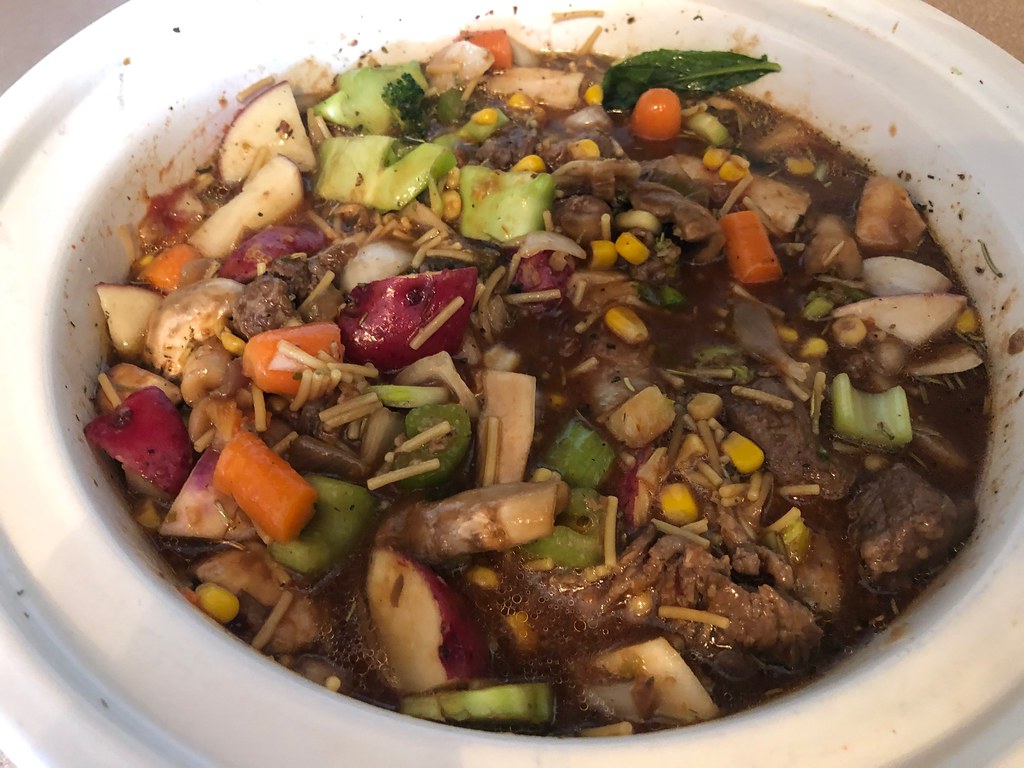
Shred it and put it in tortillas on night one, over rice on night two, and on a baked potato after that. In a Chicago-area winter, a kitchen that smells like this by four o’clock is half the appeal. Keep the chipotle light if the table includes anyone who doesn’t like heat, since you can always add more at the plate.
Chicken thighs and chickpeas with lemon
For high protein crockpot meals with chicken thighs, this Greek-style pot is the most forgiving. Boneless thighs stay juicy even if dinner runs late. Chickpeas soak up lemon, oregano and garlic and turn almost creamy. Finish with a spoonful of plain yogurt and chopped cucumber if you have them.
Kids tend to eat the chickpeas first, since they’re mild and easy to pick up. That makes this the pot to try on a table that rejects anything with a sauce.
A lentil and black bean pot with no meat
High protein vegetarian crock pot meals work best when the beans and lentils carry the whole pot. Brown or green lentils hold their shape, while red lentils melt into mush. Combine them with black beans, canned tomatoes, corn, chili powder and cumin, and no soaking is needed for the lentils. Top each bowl with shredded cheese or yogurt, which adds more protein and softens the spice for younger eaters.
Where a high protein pot goes wrong
Chicken breast is the most overrated meat in the slow cooker. I left it in the pot all day for years because the recipe said to, and it came out like wet cardboard. Thighs forgive hours of extra heat. If you want breast, check it early and pull it as soon as it’s done.
Too much liquid is the second mistake. The lid traps steam, so a pot with a full inch of broth in it ends up as soup. Add less than the recipe suggests and you can always thin it later. The third is skipping the finish. A squeeze of lime, a handful of parsley or a spoon of yogurt wakes up a pot that has been cooking for hours.
The last one isn’t about taste. Michigan State University Extension says to always thaw meat or poultry before it goes in a slow cooker, because a frozen block may not thaw fast enough to stop germs from growing. Move it to the fridge the night before.
Leftovers need their own plan, and the cooling and freezing steps are laid out in the post on crockpot meal prep ideas.
Scale the pot for the whole table
I cook in my biggest pot, because recipes written for four never stretch to my table, and I double things without thinking. The rule that works is one pot with the protein built in, one plain side, and a few toppings in bowls. I gave up cooking separate meals for picky eaters years ago. Now there is plain rice or bread on the table, and everyone builds a bowl.
Protein needs shift with age, and the post on protein needs by age explains how. In practice, one big pot where people serve themselves handles that better than a fixed portion on every plate.
Frequently asked questions about crock pot high protein meals
What are high protein crockpot meals that aren’t chicken?
Shredded chuck roast, turkey meatballs in marinara and the lentil and black bean pot all work without chicken. Beef gives the richest flavor, and the lentil pot is the one to pick if anyone at the table skips meat. Pick the one that matches the table you’re feeding.
Which of these crockpot meals freeze well?
The white chicken chili, the shredded beef and the lentil pot freeze well, because they’re saucy and don’t dry out when reheated. Add the yogurt, cheese or cream after reheating, since dairy can turn grainy in the freezer. Meatballs in sauce also freeze well if you cool the pot first.
Can I use chicken breast in these recipes?
Yes, in the chili, where beans and broth protect it. Check it early and shred it as soon as it’s cooked through. For the Greek pot, use thighs, because chickpeas and lemon won’t rescue a dry breast.
This article is general food and cooking information, not medical or dietary advice. Talk with your doctor or a registered dietitian about your own needs.