A healthy winter soup comes down to two things most recipes treat as optional. One is a cup or two of beans or lentils in the pot, and the other is a broth carton with a low sodium number on it. The vegetables are the easy part, because nearly any winter vegetable is good for you. A pot of them in salty broth still leaves you hungry by nine and well over on salt, so the first soup I’d make is lentil and kale, which has both halves built in.
Beans do more for the pot than the vegetables do
The usual healthy soup recipes for winter are really vegetable recipes, and vegetables alone don’t carry much fiber. A cup of cooked cabbage has 2.8 grams and a cup of cooked kale has 4.7, going by the fiber tables published with the federal dietary guidelines. Half a cup of cooked lentils has 7.8 grams. The same half cup of navy beans has 9.6.
That gap matters because 28 grams is the FDA’s daily value for fiber, and by the agency’s own account most Americans don’t reach it. Fiber is also one of the things that makes a meal feel filling. That’s what separates a soup that works as dinner from one that works as a warm drink. Put half a cup of beans in each bowl and you’ve covered a quarter to a third of the day’s fiber before you count a single carrot.
I made thin vegetable soups for years and took the trip to the cupboard an hour later as a failure of willpower. The recipe was the trouble. Once beans went into every pot, a bowl started lasting me through the evening, and nothing else about my cooking had changed.
Low-sodium broth is the one carton claim that means much
The beans only fix half the pot, because broth is most of what’s in the bowl and broth is where the salt lives. The ceiling is 2,300 milligrams of sodium a day on the FDA’s sodium page, and the average American eats about 3,400. Soup is on the agency’s short list of foods that supply the most.
The front of the carton won’t settle it, so I read the number. “Low sodium” is a regulated phrase that means 140 milligrams or less per serving. “Reduced sodium” only promises 25 percent less than the regular version, which tells you nothing until you know how salty the regular version was. And “no salt added” doesn’t mean sodium-free.
So buy the low-sodium carton and hold the salt until the pot is finished. Rinse canned beans under the tap as well, which washes off some of their sodium though never all of it. A squeeze of lemon or a spoonful of vinegar at the end does much of the work the salt would have done. That’s why every soup below finishes with one.
Start with lentil and kale soup
Lentils go first because they need no soaking and cook in half an hour, so this is a weeknight soup. Soften a chopped onion, two carrots and two celery stalks in a tablespoon of olive oil for about six minutes. Stir in three cloves of garlic and a teaspoon each of cumin and smoked paprika. Then add a cup and a half of rinsed brown or green lentils, a can of no-salt-added diced tomatoes and six cups of low-sodium broth, and simmer for 25 to 30 minutes.
When the lentils are tender, stir in a bunch of kale, stemmed and sliced, for the last five minutes. Take the pot off the heat and add the juice of a lemon. Dried lentils more than double as they cook, so a cup and a half puts a generous half cup in each of six bowls. That’s the amount the fiber numbers above were counting.
This is the pot I make most. Kale keeps its shape through a week of reheating, and the soup tastes better on the second day than the first. Red lentils cook faster but collapse into a puree, so keep them for a night you want a smooth soup.
Make the same pot with squash, cabbage or sweet potato
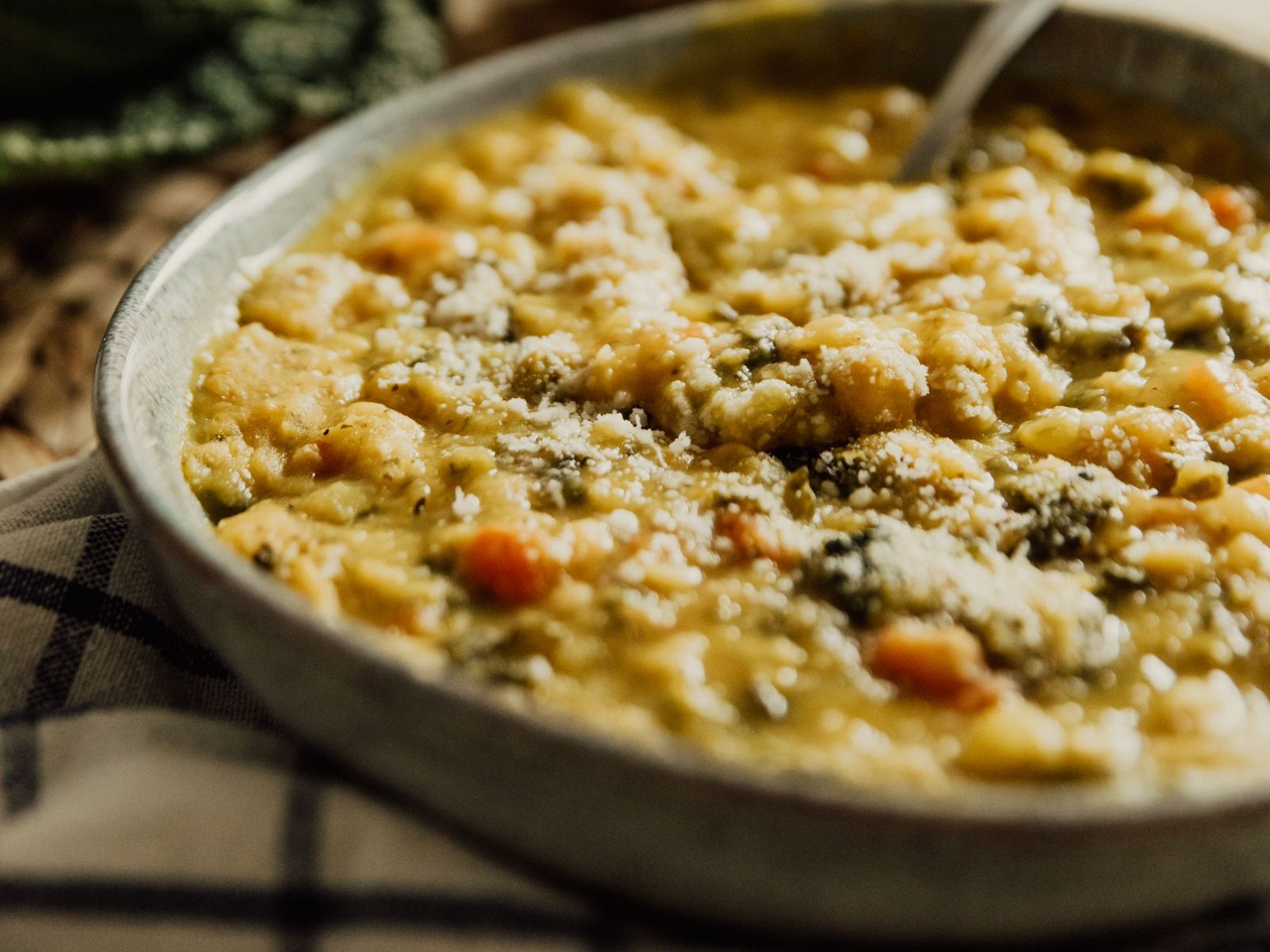
Once the lentil soup makes sense, the others are substitutions, since the method never changes. Soften an onion, add the vegetable, two rinsed cans of beans and six cups of low-sodium broth, simmer, and finish with something sour. Made with vegetable broth, all four pots are vegetarian.
Butternut squash and white bean is the one that surprises people. Simmer about six cups of cubed squash with the beans and a few sage leaves for 20 minutes, then blend it smooth. The beans do the job cream usually does, so the soup comes out thick and silky with nothing from the dairy case in it. A spoonful of cider vinegar keeps it from tasting sweet.
White bean and cabbage is the plainest pot here and the easiest on the grocery bill. Use half a head of green or savoy cabbage, sliced, with two diced potatoes and a teaspoon of dried thyme, and give it 25 minutes. It needs the lemon more than the others do, because cabbage and potato are both mild. Taste it before and after, and you’ll see what that last step is for.
Black bean and sweet potato leans the other way, toward cumin, a pinch of chili powder and lime in place of the lemon. Two diced sweet potatoes cook through in about 20 minutes, and mashing a few cubes against the side of the pot thickens it without a blender. All four also work as slow cooker soups if you’d sooner start dinner at breakfast. Everything except the greens and the citrus goes in on low for six to eight hours.
A lighter vegetable soup still has its place
None of this makes a thin vegetable soup a bad idea, and the evidence for one is better than I expected. In a Penn State study of 60 adults, people who started lunch with a low-calorie vegetable soup ate 20 percent fewer calories over the whole meal, soup included, or about 134 calories. It made no difference whether the soup was chunky or pureed. The study measured single lunches, so it’s a reason to start a meal with soup and no promise about weight.
Look at what the soup was doing there, though. It was a first course with a meal behind it, and that’s the job a light soup is good at. So I’d serve one before dinner and stop asking it to be dinner. A sick day is the other exception, because nobody with a cold wants a bowl of lentils, and a plain chicken soup is the kinder choice.
Cool the pot fast and freeze half
A full pot of soup holds its heat for hours. Ladle it into shallow containers and get it into the fridge within two hours of cooking, as the USDA’s leftovers guidance asks. It keeps three to four days in the fridge and three to four months in the freezer, and it should come back to a rolling boil when you reheat it. Bean soups thicken overnight, so add a splash of water before you decide the pot needs more salt.
The smallest version takes a can opener
If a pot from scratch isn’t happening tonight, rinse a can of white beans and tip half of it into whatever soup you were going to eat anyway. A carton of tomato works, and so does a tub of vegetable soup from the freezer. Let it simmer five minutes, and read the carton’s sodium line while it heats. The dried lentils can wait for the weekend; they’re in the aisle with the rice, usually on the bottom shelf.
This is general information, not medical advice; check with your doctor or a dietitian before changing how you eat.