Imagine walking into your home and feeling like you’ve finally arrived-every corner reflecting your style, every room working better than it did yesterday. Home improvement is the quiet alchemy that turns a house into a sanctuary, a functional workshop, an energy-efficient fortress, or the perfect entertaining hub. In a world where time, comfort, and value are constantly in tension, the right project can be a small revolution with lasting payoff.
Trends in home improvement shift as quickly as technology and tastes, but certain projects keep resurfacing because they actually work. From kitchen overhauls that become social centers to attic insulation that quietly slashes energy bills, the most popular projects reveal what people truly want: comfort, efficiency, and style that lasts.
In this article, we’ll discuss several popular home improvement projects, sharing practical tips and salient strategies that can transform your living space.
Complete Kitchen Renovation
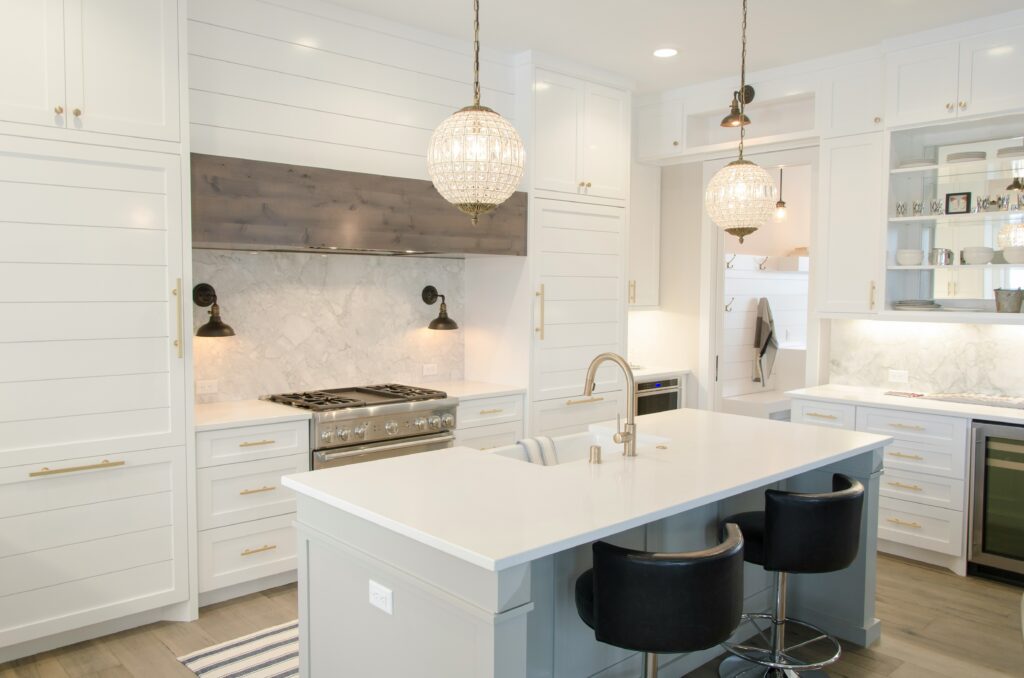
The 2026 kitchen renovation is defined by intentionality over excess. Rather than simply making a kitchen bigger, homeowners are making it “smarter” through zoned layouts that separate social hosting from heavy meal prep. The aesthetic shift toward warm neutrals and natural stone reflects a desire for the kitchen to feel like a seamless extension of the living room, balanced by the invisible integration of high-efficiency, sustainable appliances.
Popular Ideas:
- Integrated Smart Hubs: Built-in tablets or touch-sensitive backsplashes that control home lighting, recipes, and grocery lists.
- Tonal Wood Cabinetry: Using white oak or walnut with a matte finish to bring a sense of nature indoors.
- Scullery: A secondary walk-in space for heavy prep, dishwashing, and bulk storage, keeping the main kitchen clean for guests.
Tips:
- Don’t Minimize The Hardware: High-quality drawer slides and soft-close hinges are the “engine” of your kitchen. High-traffic kitchens benefit from “touch-to-open” technology, especially for trash pull-outs and heavy pantries.
- Verticality: Take cabinets all the way to the ceiling. Even if the top shelves are for seasonal items, it eliminates dust-collecting gaps and creates a more cohesive, high-end look.
- Review Your Slab: If choosing natural stone, bring samples home. Colors can shift dramatically between showroom lighting and your kitchen’s natural light at different times of the day.
Bathroom Addition
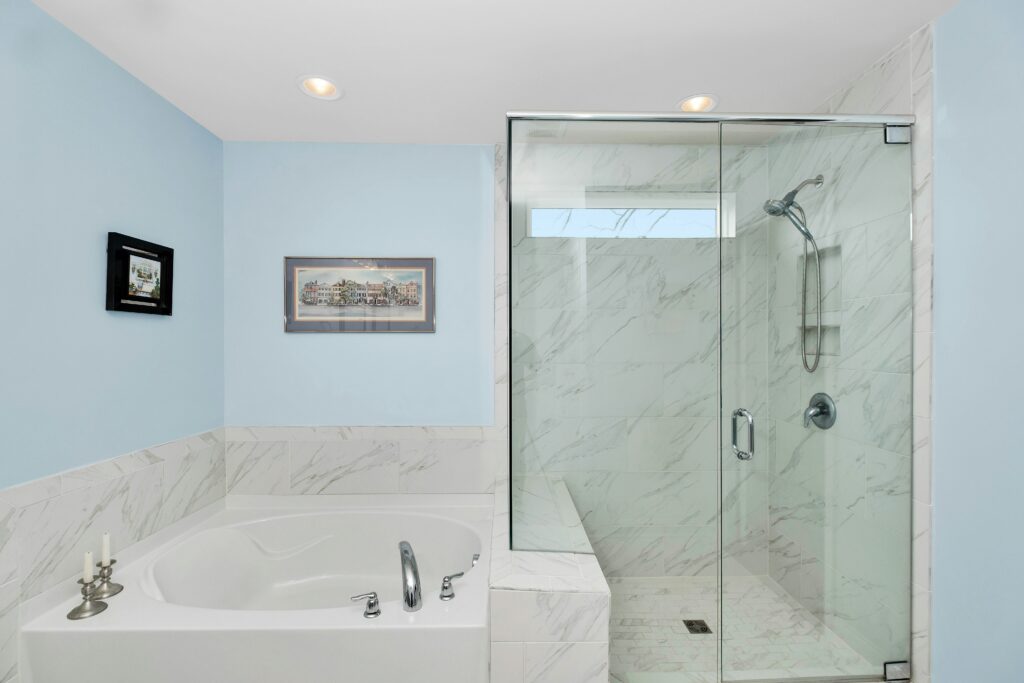
Adding a bathroom is one of the most effective ways to increase a home’s value and functionality, often recouping 60% to 70% of the investment. In 2026, the trend has shifted from purely utilitarian spaces to “micro-spas” that prioritize wellness and accessibility. Whether carving out space from a large closet or building a full bump-out addition, the modern focus is on high-efficiency fixtures, smart moisture control, and “curbless” designs that blend seamlessly with the rest of the home’s architecture.
Popular Ideas:
- “Micro-Spa” Upgrade: Incorporate luxury in a small footprint with heated towel racks, aromatherapy showerheads, and radiant floor heating. These “invisible” luxuries add immense value without requiring extra square footage.
- “Nook” Powder Rooms: Look to under-utilized spaces like the area beneath a staircase or a deep hallway closet. A “half-bath” addition in these locations provides high utility for guests with minimal structural disruption.
- Skylights: Use tubular skylights or “smart glass” windows that frost at the touch of a button. This brings in essential natural light to a new addition without sacrificing privacy or requiring expensive exterior wall modifications.
Tips:
- Prioritize Ventilation: A bathroom addition in a tight space is prone to mold. Invest in a high-CFM (cubic feet per minute), ultra-quiet exhaust fan that is humidity-sensing. It will automatically turn on when it detects steam.
- Optimize Spacious Design: Even if you don’t need it now, designing for “aging in place” adds massive resale value. Consider a walk-in shower, wider doorways, and reinforced walls for future grab-bar installation.
- Consider “Split” Design: If you are adding a bathroom for guests, consider a layout where the vanity is separate from the toilet and shower. This allows two people to use the space simultaneously without compromising privacy.
Basement Conversion
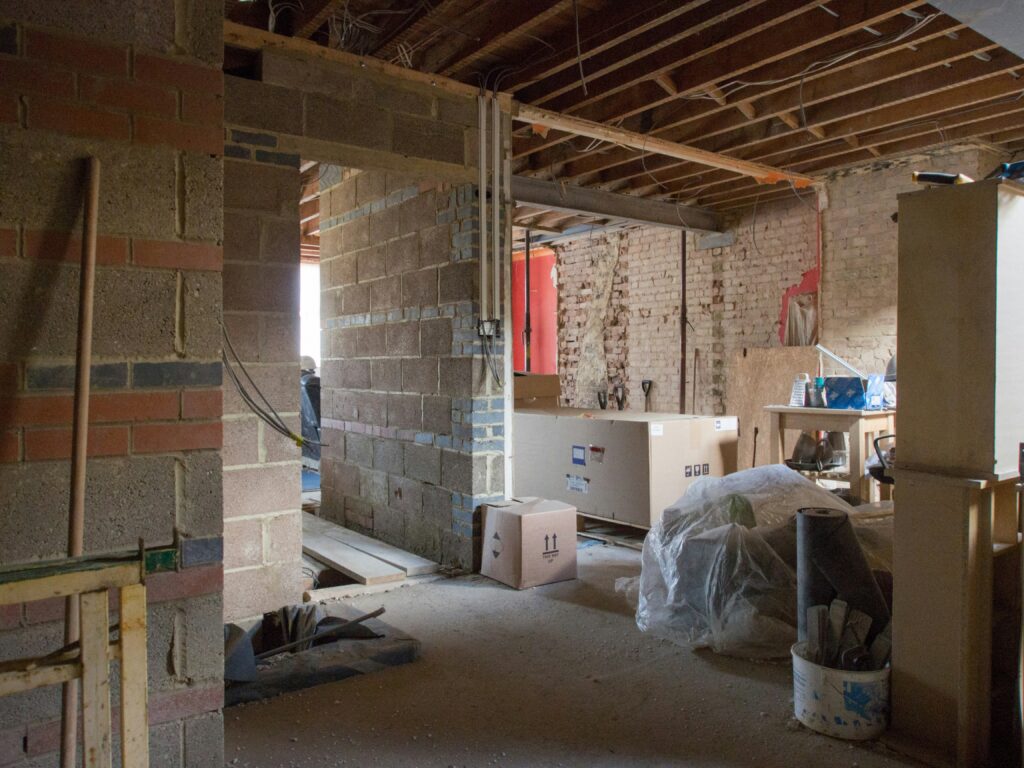
The secret to a successful basement conversion in 2026 lies in erasing the “basement” feel. By investing in high-quality insulation and flooring that mimics upper-level finishes, you create a seamless transition between floors. The most valuable conversions are those that remain flexible—using open floor plans that can evolve from a playroom to a home theater or a private guest wing as your needs change. Ultimately, the focus should be on a dry, well-lit environment that prioritizes comfort and air quality as much as aesthetics.
Popular Ideasv
- Underground Cinema: Take advantage of the basement’s natural sound-dampening qualities by building a dedicated cinema. Use tiered seating, fabric-wrapped acoustic panels, and a 4K laser projector to create a theater experience that doesn’t disturb the rest of the house.
- Home Gym: Carve out space for a home gym paired with a dry sauna or a cold plunge pool. Since basements are naturally cooler and have concrete slabs that can support heavy weight, they are the perfect foundation for high-end fitness equipment.
- Speakeasy: Lean into the basement aesthetic by leaving some brick or concrete exposed. Add a reclaimed wood bar, dimmable “Edison” lighting, and a climate-controlled glass wine cellar to create a sophisticated adult entertaining space.
Tips:
- Prioritize Egress and Safety: For a basement to legally count as a bedroom or living space, it must have a proper egress window or door. This isn’t just a code requirement; it’s a critical safety feature and a massive source of natural light.
- Soundproof Ceiling: Since the basement is often under high-traffic areas like kitchens or living rooms, use acoustic insulation (like Rockwool) or “resilient channels” in the ceiling to dampen the sound of footsteps from above.
- Adequate Lighting: Basements lack consistent natural light, so a single overhead fixture won’t suffice. Use recessed LED cans for general light, sconces for warmth, and LED strips in toe-kicks or coves to eliminate dark corners and make the space feel expansive.
New Vinyl Windows
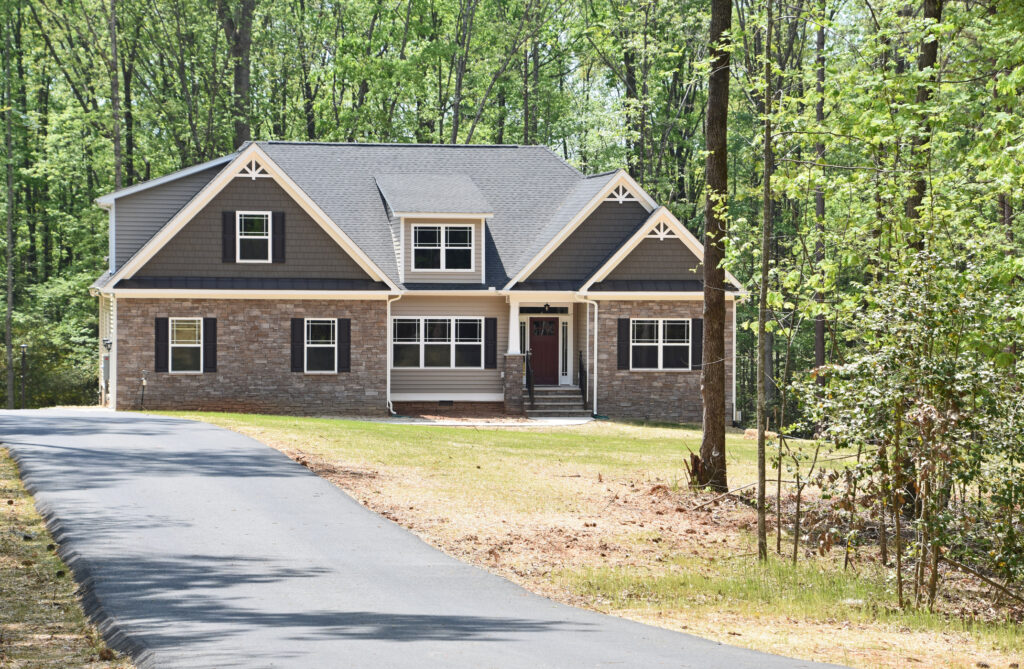
The decision to upgrade to vinyl windows in 2026 is a move toward long-term sustainability and home health. Modern vinyl is virtually maintenance-free, resisting the rot and insect damage that plagues wood frames, while providing better insulation than standard aluminum. By selecting windows with high-performance glass packages and durable fusion-welded frames, you create a quieter, more comfortable indoor environment. Ultimately, this project is a “double-win,” providing immediate monthly savings on energy bills while increasing the overall market value and “move-in ready” appeal of your home.
Popular Ideas:
- Black Frames: Move away from standard white and choose black or bronze frames. This creates a high-contrast, modern “Industrial” or “Modern Farmhouse” look that frames your outdoor view like a piece of art.
- Geometric Shapes: Incorporate your architectural interests with arched, circular, or trapezoidal vinyl windows. These custom shapes can be used as “transom” windows above standard doors to pull light deeper into your home’s entryway.
- Sound-Dampening Laminated Glass: If you live near a busy street, upgrade to acoustic offset glass. This uses panes of varying thicknesses to disrupt sound waves, turning your home into a quiet sanctuary without changing the window’s outward appearance.
Tips:
- Multi-Chamber Construction: The best vinyl windows aren’t solid; they have internal air chambers that act as extra layers of insulation. More chambers generally mean better structural integrity and higher thermal resistance.
- Don’t Forget U-Factor or SHGC: When comparing windows, look at the NFRC label. You want a lower U-factor for improved insulation and a Solar Heat Gain Coefficient (SHGC) that matches your climate: Lower for sunny areas to block heat, higher for cold areas to harvest sun warmth.
- Fusion-Welded Corners: High-quality vinyl windows feature corners that are chemically welded together rather than mechanically fastened. This ensures the frame remains airtight and watertight for decades, preventing the sagging or leaking common in cheaper models.
New Steel Front Door
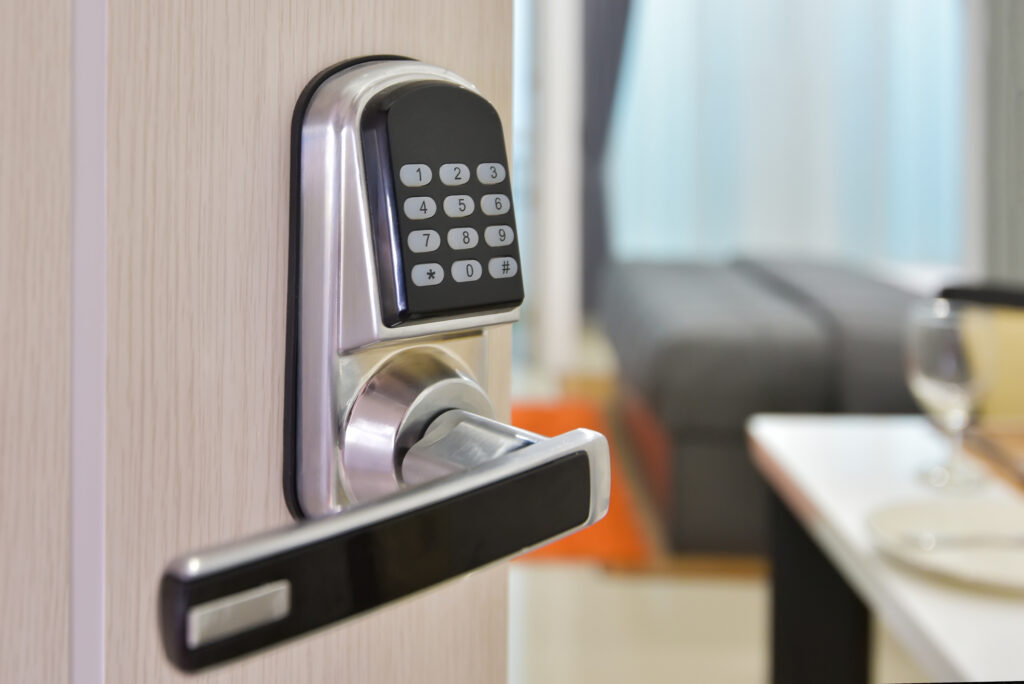
Installing a steel front door is a high-impact, low-maintenance project that enhances both security and sustainability. Unlike wood, which can swell or rot, or fiberglass, which can crack under extreme temperature shifts, steel remains structurally stable and requires very little upkeep. By selecting a model with an energy-efficient foam core and a high-quality finish, you create a striking focal point for your home’s exterior while simultaneously lowering your monthly energy bills. Ultimately, it is a practical upgrade that delivers immediate peace of mind and lasting aesthetic value.
Popular Ideas:
- Pivot Door: For a bold, modern entryway, consider an oversized steel pivot door. These doors rotate on a spindle rather than side hinges, allowing for massive widths and a dramatic, gallery-like opening experience.
- Wood-Grain Finish: If you love the warmth of oak or walnut but want the durability of steel, opt for a high-definition embossed wood-grain finish. When paired with a professional factory stain, it is nearly indistinguishable from real wood but won’t warp, crack, or rot.
- Glass Inserts: Choose a steel door with minimalist, horizontal glass cutouts. Using impact-resistant, Low-E glass ensures that you don’t sacrifice energy efficiency or safety for a contemporary, “loft-style” aesthetic.
Tips:
- Gauge Check: For maximum durability and security, look for 20- to 24-gauge steel. A lower gauge number indicates thicker, stronger steel that is less likely to dent or warp over time.
- Thermal Break: Ensure the door has a thermal break, usually a strip of wood or plastic between the inner and outer skin. This prevents the outside temperature from conducting through the metal to the interior of your home.
- Assess Core: High-quality steel doors are not hollow; they are filled with polyurethane foam insulation. This core provides significantly higher R-values (insulation power) than wood or fiberglass, making it a key component for energy efficiency.