In today’s consumer‑driven world, it’s easy to fall into the trap of mindless spending. Many people waste their hard‑earned money on items or services that offer quick satisfaction but add little long‑term value to their lives. These habits often grow slowly, making it difficult to recognize how much they drain financial stability and personal well‑being. When you understand where you waste your money, you gain the power to redirect those resources toward goals that matter.
Being aware of these unnecessary expenses and making conscious choices can help you save more and feel more in control of your financial future. Small adjustments can create meaningful progress when you stay intentional about how you spend. In this article, we will explore ten expenses that you shouldn’t waste your money on, giving you practical insight to make smarter decisions and build healthier financial habits.
Impulse Purchases That Waste Your Money
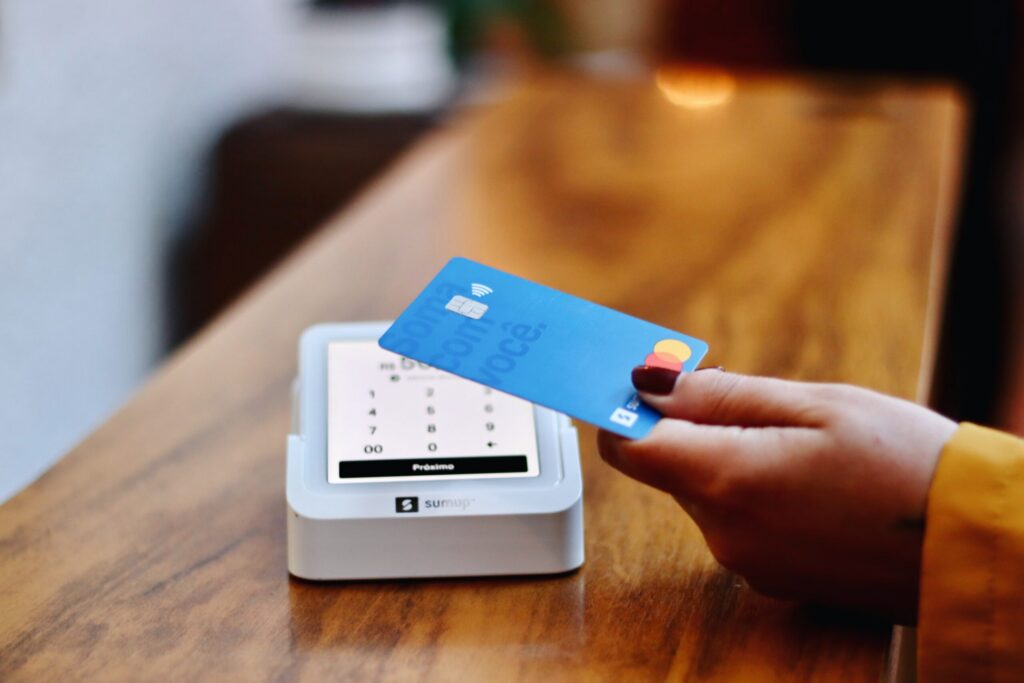
Impulse purchases are the arch‑nemesis of frugality because they encourage quick decisions that rarely support long‑term goals. When you buy something without planning or considering its purpose, you often waste your money on items that lose appeal within days. These purchases usually come from emotional triggers, clever marketing, or the desire for instant gratification. They clutter your home, drain your budget, and distract you from meaningful priorities.
Before giving in to the urge to buy, pause and reflect. Ask yourself if the item fills a real need or if it will sit unused after the excitement fades. Consider how often you will use it and whether it aligns with your financial intentions. This simple moment of awareness helps you avoid choices that waste your money and keeps your spending aligned with your values.
Taking a mindful approach to shopping strengthens your financial habits and reduces unnecessary stress. When you stay intentional, you protect your budget and create space for purchases that genuinely improve your life.
Overpriced Coffee Habits

A daily coffee ritual can feel comforting, but overpriced drinks from trendy cafés can drain your budget quickly. When you buy premium lattes or specialty blends without considering long‑term cost, you often waste your money on a habit that delivers short moments of pleasure but little real value. These purchases add up fast and can quietly pull funds away from savings goals, debt reduction, or meaningful experiences that matter more than a fleeting caffeine boost.
Brewing coffee at home offers a simple way to protect your finances without giving up the enjoyment you love. A reliable coffee maker, quality beans, or reusable pods can create a satisfying cup for a fraction of the price. You can also explore local shops that offer fair prices without sacrificing flavor or atmosphere. These small adjustments help you avoid choices that waste your money and support a more intentional approach to daily spending.
When you stay mindful of your coffee habits, you gain more control over your budget and reduce unnecessary financial stress. This awareness strengthens your ability to prioritize purchases that align with your goals and lifestyle.
Unused Gym Memberships That Waste Your Money

Unused gym memberships drain budgets because many people sign up with strong motivation but struggle to maintain consistent routines. When enthusiasm fades, the monthly fee continues, and you waste your money on access you rarely use. This pattern often comes from unrealistic expectations, busy schedules, or a lack of interest in the available equipment or environment. The result is a recurring expense that delivers little value and adds financial pressure without improving your health.
Exploring alternative ways to stay active helps you avoid commitments that waste your money and supports a more flexible approach to fitness. Outdoor activities like walking, hiking, or cycling offer effective exercise without membership costs. Community fitness programs provide structure at a lower price and often feel more engaging. Home workouts also create a practical option when you prefer privacy or convenience.
Choosing movement that fits your lifestyle increases your chances of staying consistent. When you select activities you enjoy, you build healthier habits and protect your budget from unnecessary spending.
Excessive Dining Out Costs

Eating out offers convenience and enjoyment, yet frequent restaurant visits can strain your budget more than you expect. Restaurant meals include added costs like tips, taxes, and service fees, which increase the total far beyond the menu price. When these outings become routine, you often waste your money on meals that provide short‑term satisfaction but limit your ability to reach long‑term financial goals. This pattern can also make it harder to track spending and maintain a balanced budget.
Preparing meals at home helps you control ingredients, portions, and overall cost. Cooking simple dishes during the week or packing lunches for work reduces unnecessary expenses and supports healthier habits. You can explore new recipes, try seasonal ingredients, and create meals that match your preferences without overspending. These choices prevent situations where you waste your money on convenience and allow you to enjoy food with more intention.
Home cooking also encourages mindful planning. When you shop with a list and prepare meals ahead of time, you reduce impulse food purchases and avoid last‑minute takeout. This approach strengthens your financial discipline and helps you build a lifestyle that supports both well‑being and savings.
Unused Subscriptions That Waste Your Money
Unused subscriptions can quietly drain your budget because they continue billing long after the excitement fades. Many people sign up for streaming platforms, digital tools, or monthly memberships with good intentions but rarely evaluate whether they still use them. When these services go unchecked, you often waste your money on features that no longer support your lifestyle or interests. This slow financial leak reduces your ability to save, plan, and invest in things that matter.
Taking inventory of your subscriptions helps you understand where your money goes each month. Review each service and ask whether it still adds value to your daily routine. Canceling platforms you rarely use prevents situations where you waste your money on convenience rather than purpose. This process also encourages more mindful spending and helps you stay aligned with your financial goals.
Keeping only the subscriptions that genuinely enhance your life strengthens your budget and reduces unnecessary stress. When you stay intentional about recurring expenses, you create more room for meaningful purchases and long‑term financial stability.
Brand‑Name Fashion Spending

High‑end fashion often carries a price tag that far exceeds the item’s practical value. Many shoppers feel pressure to keep up with trends or display certain labels, yet these choices can cause you to waste your money on clothing that offers little long‑term benefit. Designer pieces may look appealing, but they rarely justify the cost when similar quality exists at far lower prices. This habit can strain your budget and limit your ability to invest in items that truly support your lifestyle.
Focusing on quality and timeless style helps you avoid purchases that waste your money and encourages a more intentional approach to your wardrobe. Thrift stores, consignment shops, and online resale marketplaces offer gently used clothing at a fraction of the original cost. These options allow you to explore unique pieces, build a versatile wardrobe, and reduce unnecessary spending. You also gain the freedom to express your personal style without relying on expensive labels.
Prioritizing comfort, durability, and fit ensures your clothing serves you well. When you choose pieces that match your needs rather than trends, you create a wardrobe that supports confidence and financial balance.
Excessive Online Shopping Habits

Excessive online shopping has become a common financial trap because digital convenience makes overspending feel effortless. Endless product options, constant discounts, and fast delivery create an environment where impulse decisions happen quickly. When these habits grow unchecked, you often waste your money on items that offer brief excitement but little long‑term value. This cycle can strain your budget, increase clutter, and reduce your ability to focus on meaningful financial goals.
Practicing mindful browsing helps you avoid unnecessary purchases and stay intentional with your spending. Creating a shopping list and sticking to it limits distractions and keeps your priorities clear. A short waiting period before buying gives you time to evaluate whether the item is essential or simply appealing in the moment. Removing stored payment information adds a helpful pause that encourages more thoughtful decisions and reduces the urge to buy impulsively.
Building awareness around your online habits strengthens your financial discipline. When you choose purchases with purpose, you protect your budget and avoid situations where you waste your money on convenience rather than value.
Unnecessary Tech Upgrades That Waste Your Money

Unnecessary tech upgrades can strain your budget because new devices often offer only minor improvements that fail to justify their high price. Many people feel pressure to upgrade as soon as a new model launches, yet this habit can cause you to waste your money on features you rarely use. Marketing hype, social influence, and the desire to stay current make these upgrades tempting, but the financial impact grows quickly when each purchase replaces a device that still works well.
Before buying the latest gadget, evaluate whether your current device still performs its essential tasks. Most phones, tablets, and laptops remain functional for years with proper care. Simple steps like installing software updates, clearing storage, or replacing a battery can extend a device’s lifespan and reduce unnecessary spending. These options help you avoid situations where you waste your money on upgrades that add little value to your daily routine.
Refurbished devices also offer a practical alternative when you need a replacement. They provide reliable performance at a lower cost and help you stay within your budget. When you resist unnecessary tech upgrades, you free up funds for meaningful goals and maintain a healthier financial balance.
Expensive Cable or Satellite TV Packages
Expensive cable or satellite TV packages can strain your budget because monthly fees continue to rise while the value often declines. Many households pay for large channel bundles they rarely watch, which causes you to waste your money on entertainment that no longer fits your lifestyle. With so many flexible options available today, sticking with outdated packages limits your ability to control costs and customize what you actually enjoy.
Evaluating your viewing habits helps you understand what you truly use. Streaming platforms offer focused content at a fraction of the price, and most provide flexible plans that match specific interests. You can choose services that fit your routine instead of paying for channels you never watch. Sharing subscriptions with trusted friends or family members also reduces costs and keeps your entertainment budget manageable.
Cutting the cord gives you more freedom to build an entertainment setup that supports your needs. When you avoid packages that waste your money, you gain financial breathing room and still enjoy a wide range of shows, movies, and live content.
Lavish Vacations and Overspending

Lavish vacations can create memorable moments, yet the high cost often outweighs the experience. Extravagant trips may look appealing, but they can cause you to waste your money on luxury rather than value. Flights, resorts, and premium activities add up quickly and can disrupt long‑term financial plans. When travel becomes a source of stress instead of joy, it loses the purpose of helping you recharge and reconnect with what matters.
Choosing budget‑friendly alternatives allows you to enjoy meaningful time away without overspending. Local attractions, weekend getaways, and off‑peak travel periods offer refreshing experiences at far lower prices. Nature‑focused trips like camping, hiking, or exploring scenic parks provide relaxation and adventure without the financial strain. Cultural activities, community events, and volunteer opportunities also create rich memories while keeping costs manageable.
Reimagining your approach to travel helps you avoid choices that waste your money and encourages a healthier balance between enjoyment and responsibility. When you plan with intention, you gain more freedom to explore, learn, and unwind without sacrificing financial stability.
Building a More Mindful Financial Future
Being mindful of your spending habits strengthens your financial stability and supports a more intentional lifestyle. When you avoid choices that waste your money, you create space for goals that bring lasting fulfillment. Each thoughtful decision helps you direct your resources toward experiences, relationships, and priorities that matter most.
A careful approach to spending does not require sacrifice. It encourages clarity and purpose in every purchase. Considering the long‑term value of your decisions helps you stay aligned with your financial goals and reduces unnecessary stress. With consistent awareness and small adjustments, you can build a secure foundation that supports a balanced and rewarding future.