Several daily servings of fruit provide vitamins and minerals that help the body ward off illnesses and diseases. Fruits contain fiber, which helps prevent high cholesterol, heart attacks, strokes, Type 2 diabetes, and obesity. They also supply Vitamin C, an antioxidant that strengthens tissues and supports immune function during busy days. Potassium stabilizes blood pressure and prevents muscle cramps, which supports steady energy and overall strength. These benefits make fruit one of the simplest ways to improve daily nutrition. Unlike many other popular snack foods, fruits are low in calories and contain no cholesterol, fat, or salt. Their natural nutrients help maintain balance, support digestion, and promote long‑term wellness. Many nutritionists rank the following options as the top 10 healthiest fruits to add to your diet, offering a reliable foundation for anyone seeking better health through consistent, nutrient‑rich choices.
Why Apples Rank Among the Healthiest Fruits for Daily Nutrition
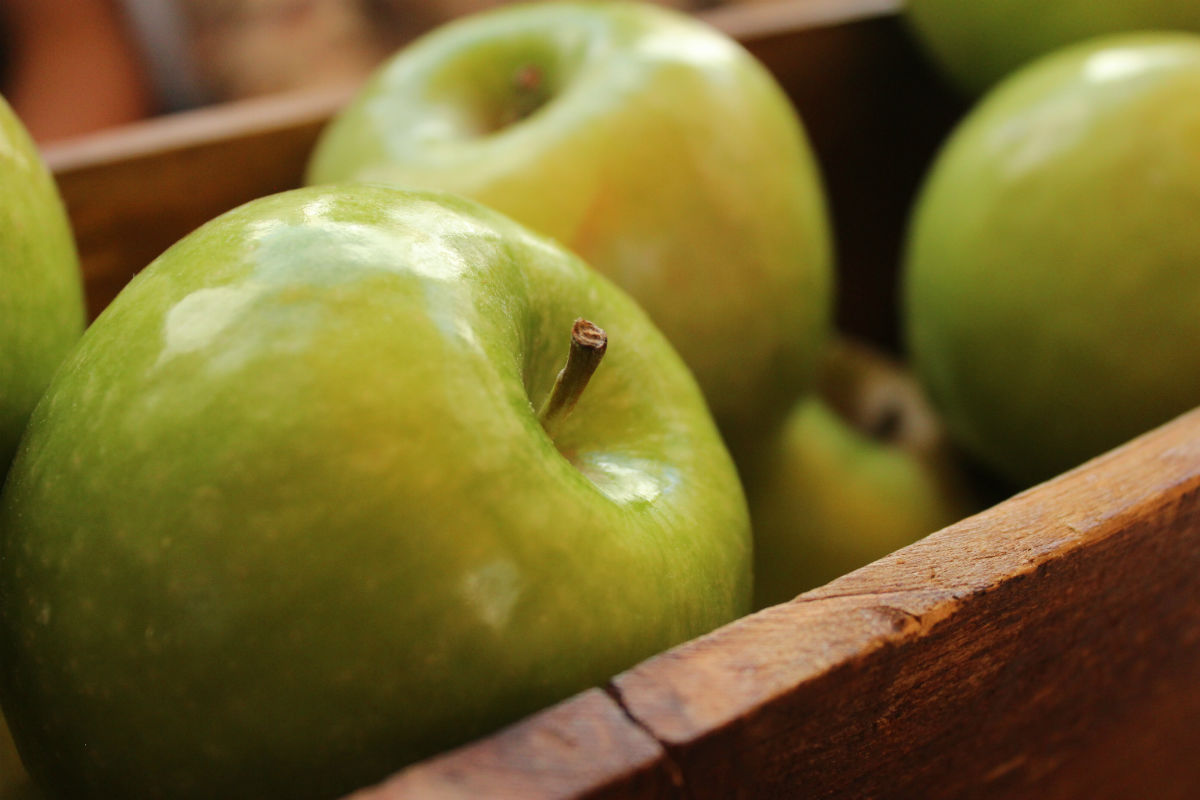
The heart, lungs, and digestive system benefit from a diet that includes an apple a day. This crisp fruit delivers Vitamin C, which strengthens tissues and supports immune defenses during busy weeks. Apples also contain phenolic antioxidants that attack the free radicals that weaken cells and contribute to long‑term damage. These compounds help protect vital organs and support steady energy throughout the day.
Many people consider apples among the healthiest fruits because they offer fiber that supports digestion and helps regulate cholesterol. Their natural nutrients promote stable blood sugar and reduce cravings for processed snacks. Apples also provide hydration, which supports lung function and overall endurance. When added to a balanced routine, this familiar fruit offers a simple way to nourish your body and maintain daily wellness.
Apricots and Their Powerful Antioxidant Benefits
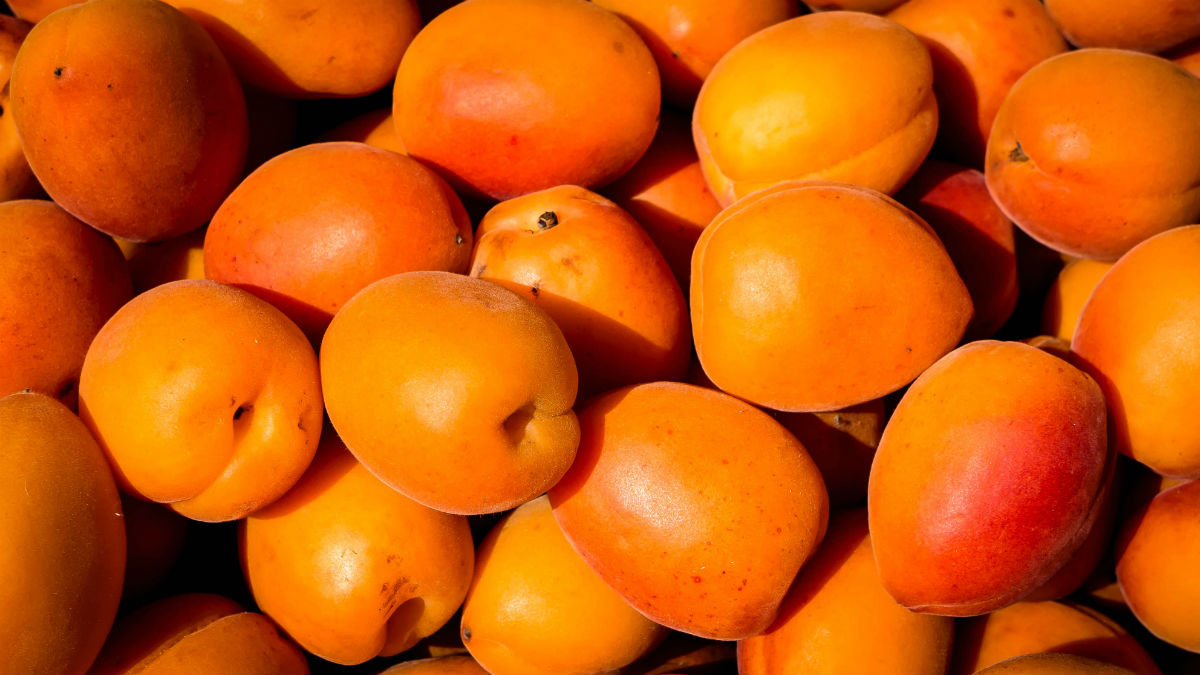
Research has shown that this fruit aids in fighting cancer because it is packed with lycopene. This powerful compound helps protect cells from oxidative stress and supports long‑term wellness. Apricots also contain beta‑carotene, which the body converts into Vitamin A. This essential nutrient promotes cardiovascular health, supports immune strength, and helps maintain clear vision. Many people value apricots for their ability to deter infections and reduce inflammation during demanding days.
Apricots rank among the healthiest fruits because they offer fiber, antioxidants, and natural hydration in every serving. Their nutrients help regulate digestion, support heart function, and maintain steady energy. These benefits make apricots a smart choice for anyone seeking simple foods that nourish the body. When added to a balanced routine, this fruit provides a flavorful way to strengthen overall health and protect vital systems.
Avocados and the Nutrients That Support Whole‑Body Wellness
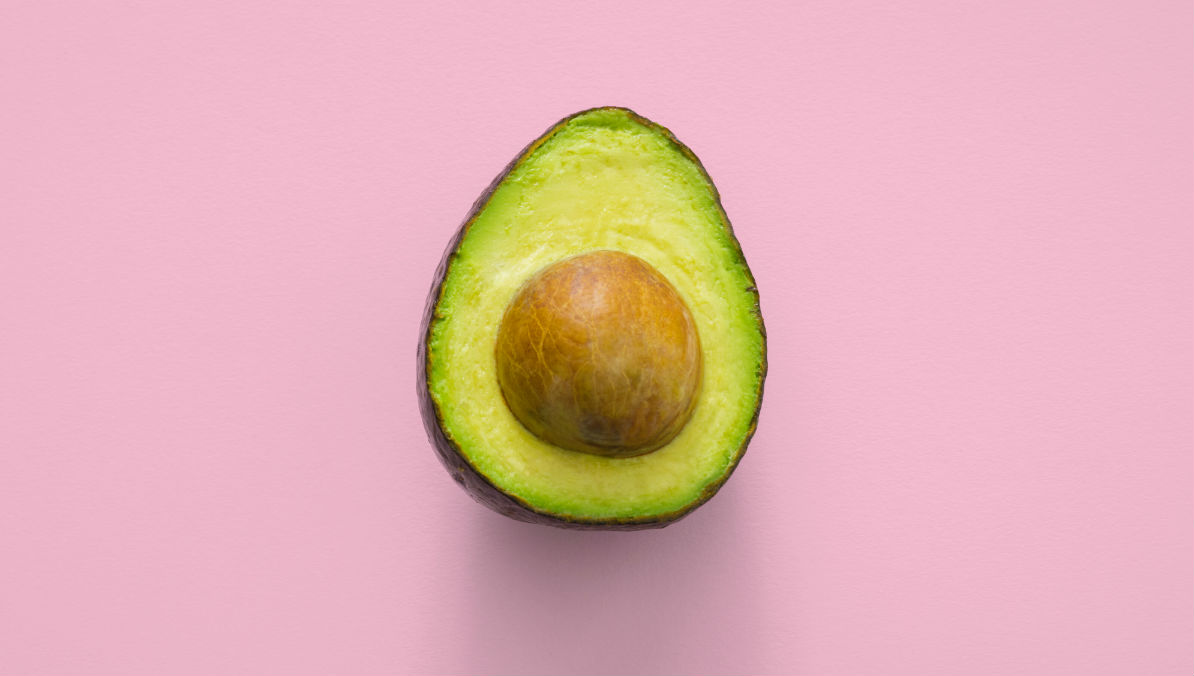
Few fruits are as delicious or versatile as avocados. They complement many types of dishes, such as salads, sandwiches, grain bowls, and simple snacks. Their creamy texture pairs well with both savory and fresh ingredients, which makes them easy to enjoy every day. Avocados assist in keeping blood pressure and cholesterol levels in check, strengthen bones, and boost immunity. They are high in potassium, folic acid, and fiber that bolster resistance to heart disease and diabetes. These nutrients support steady energy and help maintain balanced digestion during busy routines.
Though avocados contain more calories than most other fruits, their monounsaturated fats are the healthy type of fat. These fats support brain function, promote satiety, and help reduce cravings for processed foods. Many nutrition experts consider avocados among the healthiest fruits because they offer a concentrated source of vitamins, minerals, and antioxidants. Adding them to your diet provides a simple way to enhance meals while supporting long‑term wellness and daily strength.
Bananas as One of the Healthiest Fruits for Energy and Recovery

Few foods deliver more potassium than bananas, which is good news for those who deal with leg cramps. This essential mineral supports muscle function, regulates fluid balance, and decreases the risk of heart attacks and strokes. Bananas also provide natural carbohydrates that help maintain steady energy during long days. Their mild flavor and soft texture make them easy to enjoy as a quick snack or as an ingredient in baked goods, smoothies, and breakfast dishes.
The fibrous banana eases stomach aches and heartburn by coating the stomach lining and supporting digestion. Unlike most other fruits, it discourages diarrhea and helps restore balance after digestive discomfort. Many people consider bananas among the healthiest fruits because they offer vitamins, antioxidants, and electrolytes in a convenient form. Their nutrients support heart health, muscle recovery, and overall endurance. Adding bananas to your routine provides a simple way to nourish your body and maintain daily strength.
Berries and Their Wide Range of Protective Compounds
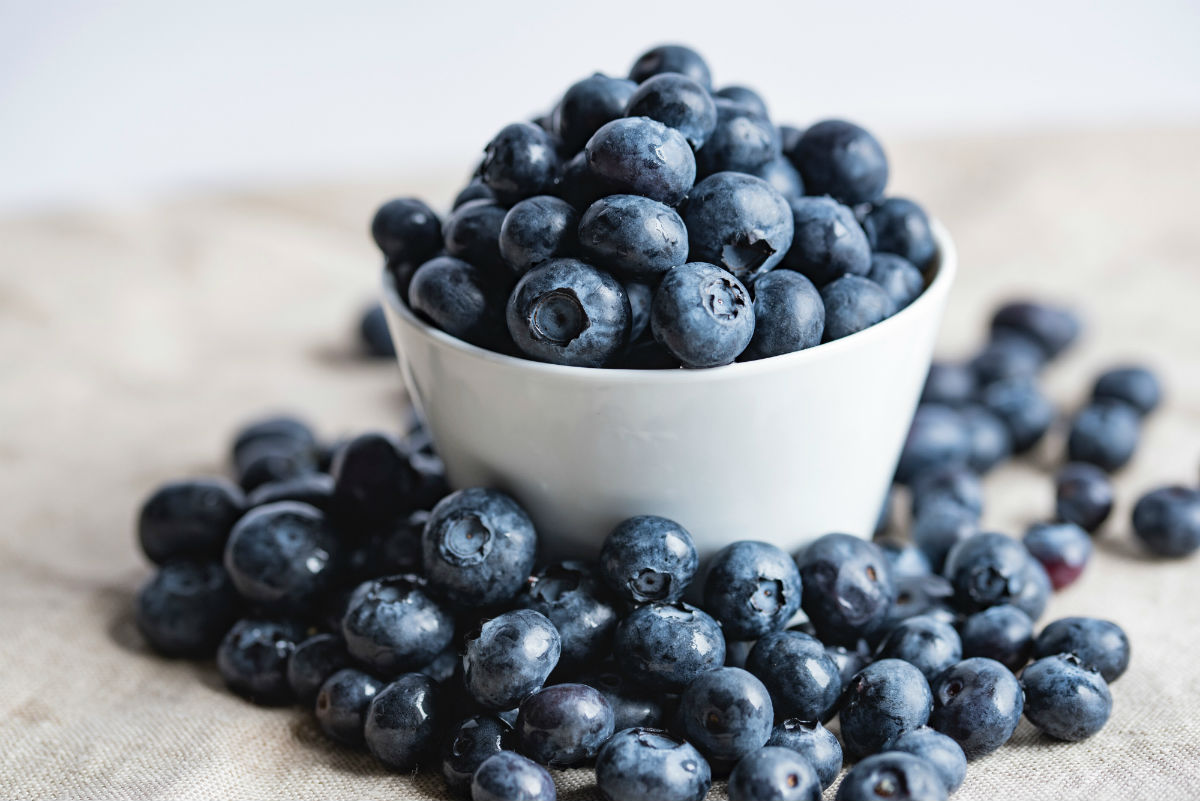
The multiple varieties of berries provide a wealth of delectable alternatives to sugary or salty treats. Their natural sweetness and vibrant flavors make them easy to enjoy in smoothies, cereals, salads, or simple snacks. Ellagic acid, an antioxidant phytochemical, is a proven cancer fighter that helps protect cells from long‑term damage. Berries also contain Vitamin C, antioxidant phenolic acid, flavonoids, and other compounds that support immune strength and overall wellness.
These nutrients help stop infections, reduce the risk of cataracts, ease constipation, and protect the brain from age‑related decline. Among the most nutritious berries are acai, goji, blueberries, cranberries, and strawberries. Many people consider these options among the healthiest fruits because they offer concentrated antioxidants and fiber in small servings. Adding a variety of berries to your routine provides a simple way to support heart health, digestion, and daily energy while enjoying naturally flavorful foods.
Cantaloupe and Its Immune‑Boosting Vitamin Profile

Cancer, high blood pressure, bad cholesterol, and heart disease are some of the problems that are less likely to occur in people who eat cantaloupes. This refreshing fruit provides a concentrated mix of vitamins, minerals, and antioxidants that support long‑term wellness. The fruit’s Vitamin C keeps arteries open, which restricts the buildup of LDL cholesterol and supports healthy circulation. This nutrient also strengthens tissues and helps the immune system respond to daily stress.
Carotenoids like beta‑carotene convert in the body to Vitamin A, which helps prevent cataracts and macular degeneration. These compounds support eye health and protect delicate cells from oxidative damage. Many people consider cantaloupes among the healthiest fruits because they offer hydration, fiber, and natural sweetness without excess calories. Adding cantaloupe to your routine provides a simple way to nourish your body, support heart function, and maintain steady energy throughout the day.
Grapefruit as One of the Healthiest Fruits for Heart Support
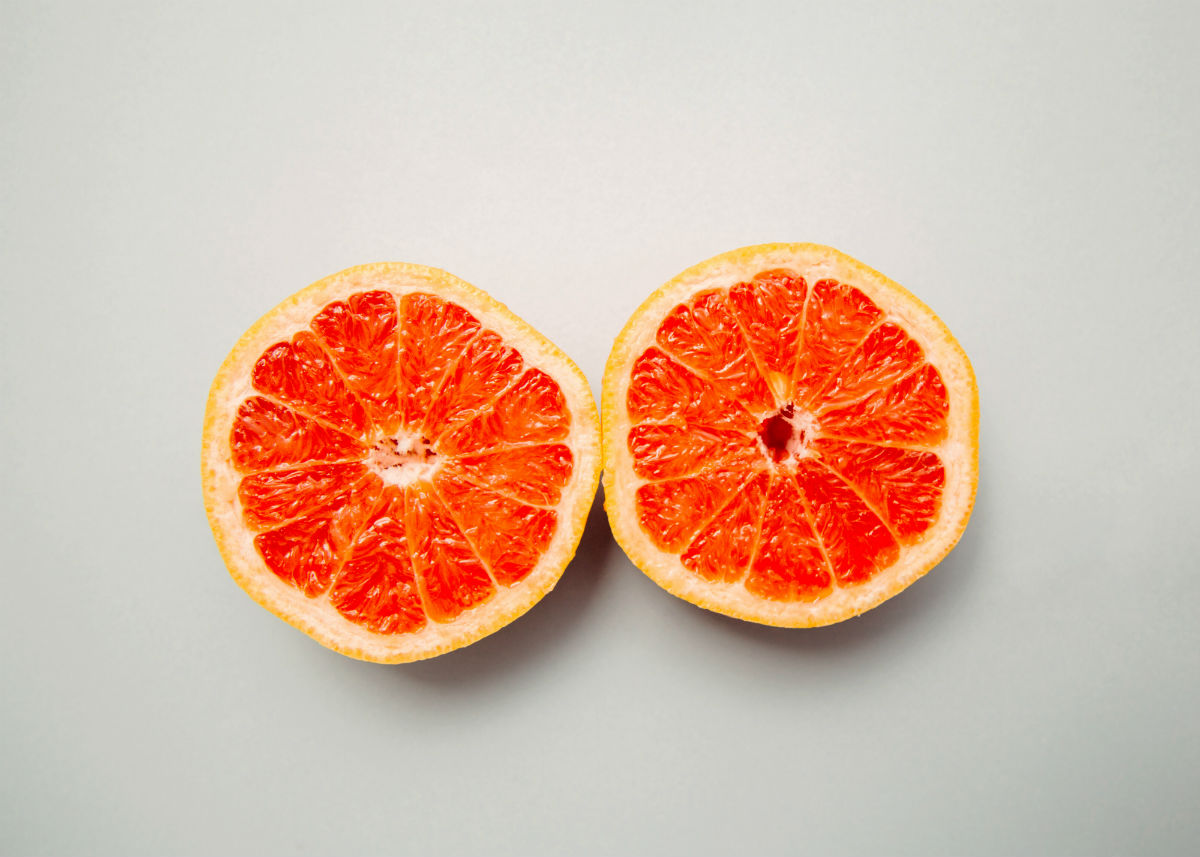
Though many people do not appreciate the taste of this fruit, it is known to provide protection against cancer and cardiovascular disease. Grapefruit contains a powerful mix of antioxidants that support long‑term wellness and help the body manage daily stress. Its high Vitamin C content speeds the healing of wounds and supports recovery from seasonal illnesses like the flu. Lycopene works alongside Vitamin C to destroy free radicals and protect cells from oxidative damage.
A type of fiber called pectin lessens the danger of various diseases and illnesses by supporting digestion and helping regulate cholesterol. This combination of nutrients makes grapefruit one of the healthiest fruits for people seeking natural ways to strengthen immunity and support heart health. Adding grapefruit to your routine offers a refreshing, low‑calorie option that nourishes the body and promotes steady energy throughout the day.
Lemons and Their High‑Impact Vitamin C Content

With some of the highest concentrations of Vitamin C available on grocery store shelves, these citrus products fend off heart disease and cancer while reducing a histamine that worsens cold symptoms. Their bright flavor and natural acidity make them useful in drinks, marinades, and simple home remedies. A single large lemon comes with 75 percent of the recommended daily amount of Vitamin C, which helps the body produce wound‑healing collagen and supports strong immune function.
Lemons also contain antioxidants that protect cells from oxidative stress and support long‑term wellness. Their nutrients promote healthy digestion, encourage hydration, and help maintain balanced energy throughout the day. Many people consider lemons among the healthiest fruits because they offer powerful benefits in small servings. Adding fresh lemon to meals or water provides an easy way to increase Vitamin C intake and support overall health without adding extra calories or sugar.
Oranges and Their Role in Strengthening Immunity
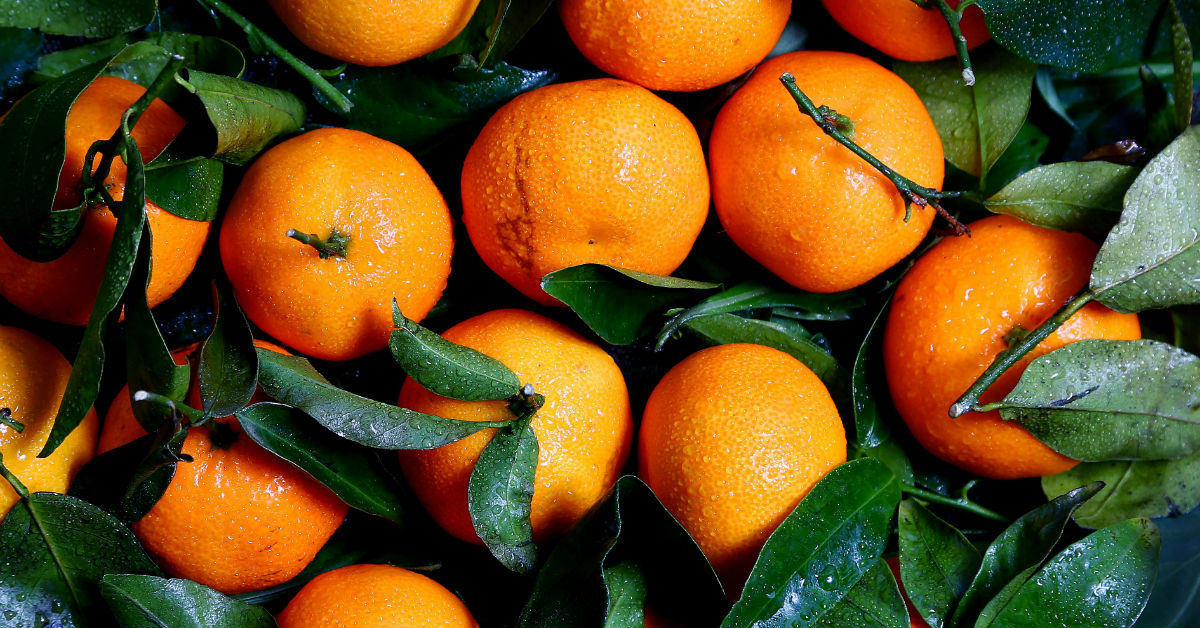
This is another fruit loaded with Vitamin C, as well as fiber and energy‑boosting natural sugars. Oranges provide a refreshing source of nutrients that support immune strength and daily endurance. Their Vitamin C content helps the body form collagen, repair tissues, and maintain healthy skin. Oranges also contain the powerful antioxidants limolin and hesperidin, which increase HDL cholesterol and lower LDL cholesterol. These compounds support heart health and help the body manage inflammation.
Hesperidin may decrease inflammation throughout the body, which supports long‑term wellness and steady energy. Oranges also offer hydration, electrolytes, and natural sweetness without excess calories. Many people consider oranges among the healthiest fruits because they deliver antioxidants, vitamins, and fiber in every serving. Adding oranges to your routine provides a simple way to support immunity, digestion, and cardiovascular health while enjoying a bright, flavorful fruit.
Pears and Their Fiber‑Rich Support for Digestive Health

Twenty‑five percent of the daily value of fiber can be obtained from a single pear. Almost half of the fiber is in the fruit’s pectin, which strengthens the heart by keeping cholesterol levels under control and supporting healthy digestion. Pears also offer high concentrations of Vitamin C and potassium, two nutrients that help maintain immune strength, regulate fluid balance, and support steady energy throughout the day. Their gentle sweetness and soft texture make them easy to enjoy as snacks or additions to salads and baked dishes.
Pears contain a trace mineral called boron that promotes brain health and wards off osteoporosis by supporting bone strength. These combined benefits place pears among the healthiest fruits for people seeking simple, nutrient‑dense options that fit easily into daily routines. Adding pears to your diet provides a flavorful way to support heart health, digestion, and long‑term wellness without adding excess calories or sodium.