Imagine standing at a supermarket aisle where every package whispers a different promise-faster weight loss, boundless energy, miracle detoxes-while your grocery list sits untouched and your coffee is cooling. Nutrition advice has turned into noise, and the real problem isn’t a lack of information but a shortage of clarity. What if, instead of another 30-day overhaul, you could adopt eight precise, science-smart tweaks that actually fit into your life and deliver noticeable results within weeks?
These aren’t fad tips or rigid diets; they’re small, reliable maneuvers that compound into better energy, clearer thinking, improved mood, and stronger immunity. Think of them as nutritional cheat codes-simple adjustments that unlock the full potential of the food you already eat.
In this article, we’ll identify several useful nutrition hacks rooted in real science and human experience that are easy to incorporate into your daily routine.
Consume Healthy Fats

Contrary to older “low-fat” paradigms, current research suggests that healthy fats are essential for satiety and hormone regulation. Natural fats provide steady energy without the insulin spikes associated with refined carbohydrates. Incorporating healthy fats, specifically monounsaturated fats from olive oil and avocados, and polyunsaturated omega-3s from fatty fish, is also critical for reducing chronic inflammation and supporting resilient brain function.
Prioritize Protein Intake

Prioritizing protein intake is a fundamental pillar of modern nutrition, serving as the essential building block for muscle repair, immune function, and hormonal balance. Unlike carbohydrates or fats, the body does not store protein for later use, making consistent daily consumption vital for maintaining lean muscle mass—a key predictor of metabolic health and longevity. High-protein diets are particularly effective for weight management due to the high thermic effect of food (TEF), which requires more energy to digest than other macronutrients, and the stimulation of satiety hormones like peptide YY, which helps reduce overall caloric intake.
Purchase Frozen Vegetables and Fruits

Purchasing frozen vegetables and fruits is a highly effective nutritional strategy that often rivals or exceeds the benefits of buying fresh produce. Because frozen items are typically picked at peak ripeness and flash-frozen within hours, they lock in essential vitamins and antioxidants—such as Vitamin C and folate—that can otherwise degrade during the transport and shelf-storage of “fresh” alternatives. This method provides a cost-effective, year-round solution for maintaining a nutrient-dense diet, significantly reducing food waste through extended shelf life and pre-portioned convenience.
Batch Cook Protein and Grain 1/Week

Batch cooking protein and grains once a week is a high-leverage habit that streamlines healthy eating by removing daily decision fatigue and reducing the temptation of ultra-processed convenience foods. By dedicating a single session to preparing versatile staples—such as roasted chicken, lean beef, or plant-based proteins alongside quinoa, brown rice, or farro—you create a “modular” fridge that allows for nutrient-dense meals to be assembled in minutes. This approach not only ensures consistent intake of essential macronutrients but also provides better control over sodium and oil content compared to takeout.
Swap Sugary Cereal for Oatmeal & Fruit

Swapping sugary cereals for oatmeal topped with fruit is a powerful nutrition upgrade that shifts your morning from a cycle of glucose spikes to sustained, long-term energy. Unlike refined cereals, which are often stripped of fiber and loaded with added sugars, oats are a rich source of beta-glucan, a type of soluble fiber known to improve cholesterol levels and promote heart health. By adding fresh or frozen fruit, you introduce natural sweetness alongside essential vitamins and antioxidants, creating a high-volume, nutrient-dense meal. This combination significantly increases satiety, helping to regulate appetite hormones and prevent the mid-morning “crash” often associated with processed breakfast foods.
Replace Soda with Sparkling Water

While a single soda can contain up to 40 grams of sugar, sparkling water provides the same refreshing carbonation and sensory experience with zero calories, zero sweeteners, and zero artificial dyes. This swap significantly lowers the risk of insulin resistance, dental erosion, and chronic inflammation while actively improving hydration levels. By eliminating the rapid glucose spikes associated with soda, you can maintain more stable energy levels throughout the day and reduce cravings for other high-sugar snacks.
If the transition feels difficult, try a “tapering” approach. Start by replacing just one soda a day with a sparkling water flavored with a splash of 100% fruit juice. Over time, reduce the juice until you are enjoying the crisp, clean taste of plain sparkling water. This habit is particularly useful for maintaining focus during a long workday or as a crisp palate cleanser during a evening meal.
Choose Greek Yogurt over Flavored Yogurt
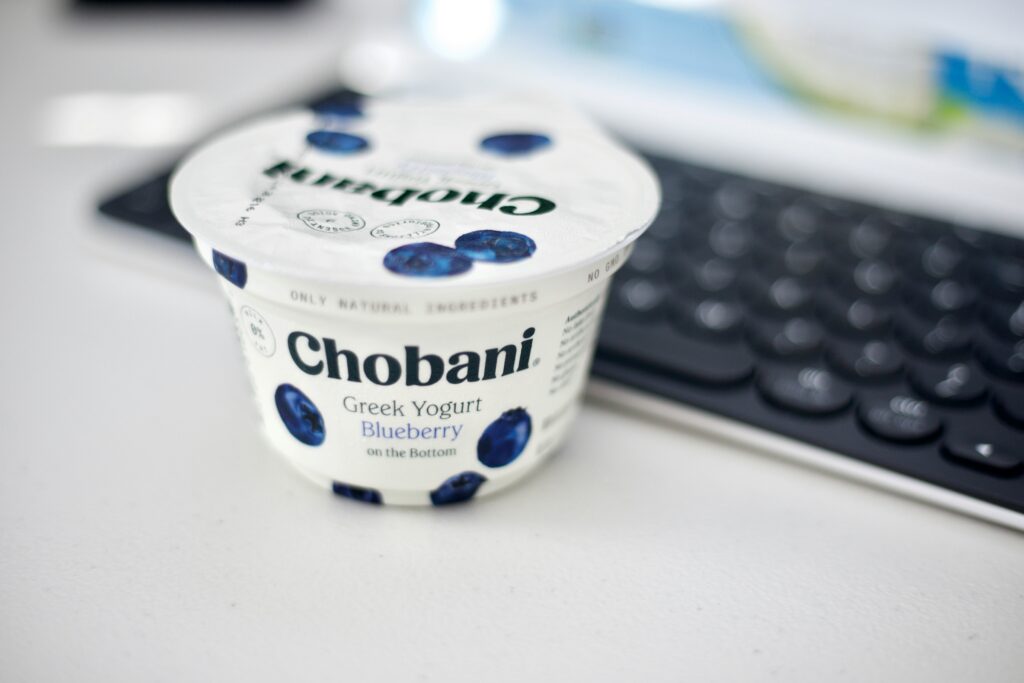
Choosing plain Greek yogurt over traditional flavored varieties is a significant nutrition upgrade that nearly doubles your protein intake while eliminating a major source of hidden added sugars. While many “fruit-on-the-bottom” or flavored yogurts can contain as much sugar as a dessert, Greek yogurt undergoes a straining process that removes excess liquid whey, resulting in a thicker consistency and a much higher concentration of amino acids. This protein density is essential for muscle repair and long-term satiety, helping to keep you full for hours. Additionally, Greek yogurt is a potent source of probiotics—live beneficial bacteria that support gut health and immune function—without the inflammatory effects often associated with high-sugar dairy products.
Veggie Salad or Broth-Based Soup

Beginning a meal with a high-fiber vegetable salad or a light, broth-based soup is a strategic nutritional “hack” known as pre-loading. This practice utilizes the high volume and water content of vegetables and broth to physically fill the stomach, triggering stretch receptors that signal satiety to the brain before the more calorie-dense main course is consumed. Research suggests that this sequence can significantly reduce total caloric intake during the meal without feelings of deprivation. Furthermore, consuming fiber and liquids at the start of a meal creates a physical buffer in the digestive tract, which slows the absorption of glucose from subsequent courses, leading to more stable blood sugar levels
Water Before Meals

Drinking a glass of water approximately 20 to 30 minutes before a meal is a simple yet highly effective physiological tool for appetite regulation and metabolic efficiency. This practice, often referred to as “pre-hydration,” increases gastric volume and stretches the stomach lining, which sends early signals of fullness to the brain’s satiety centers before a single calorie is consumed. Clinical studies have shown that individuals who drink water before meals consistently consume fewer calories during the subsequent sitting compared to those who do not. Furthermore, proper hydration ensures that the body can efficiently produce digestive enzymes and move nutrients through the gastrointestinal tract, while also preventing the common “thirst-hunger confusion” where the brain misinterprets mild dehydration as a craving for food.
Limit Alcoholic Consumption

Limiting alcohol consumption is a cornerstone of metabolic and neurological health, as alcohol acts as both a central nervous system depressant and a significant source of “empty” liquid calories. Reducing intake significantly lowers systemic inflammation and improves the liver’s ability to process fats and regulate blood sugar, which is often compromised by the metabolic priority the body gives to ethanol. Beyond physical health, moderating alcohol preserves the integrity of REM sleep cycles, leading to enhanced cognitive function, better emotional regulation, improved physical recovery and optimum nutrition.
Consider Supplements

Considering nutrition supplements can be an effective way to bridge “nutrient gaps” that may persist even in a well-balanced diet, particularly for vitamins like D3, B12, or minerals like magnesium. However, the most critical step in any supplementation strategy is consulting with a healthcare professional to ensure safety and efficacy. A doctor can use blood panels to identify specific deficiencies, preventing “blind supplementation” which can lead to unnecessary costs or even toxicity. When used correctly under medical guidance, targeted supplements can support immune resilience, bone density, and cognitive function, serving as a powerful insurance policy for your long-term health.
Track Food Consumption

Tracking food consumption is a sophisticated tool for developing “nutrition literacy,” providing a clear, objective window into the balance of macronutrients and micronutrients in your daily diet. Rather than serving as a restrictive measure, logging meals—whether through a digital app or a simple journal—helps identify hidden patterns, such as inconsistent protein intake, excessive sodium in processed snacks, or emotional eating triggers. This data-driven approach fosters a more mindful relationship with food, allowing for precise adjustments to support specific goals like muscle recovery, sustained energy, or improved digestion. By transforming subjective eating habits into objective data, you can make informed decisions that align your daily choices with your long-term health objectives.