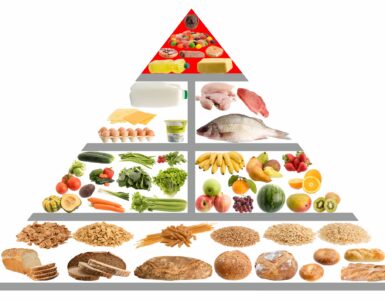
Think you’re eating healthy? You might be surprised. Many everyday choices seem harmless, yet some foods can quietly work against your goals. Discover 10 unexpected foods that are bad for your health and could be quietly working against your wellness goals. These items appear wholesome, but they often contain ingredients that create hidden problems for your body.
Understanding foods that are bad for your health helps you make informed decisions. Small changes can support better energy, digestion, and long term wellness. This list highlights common products that many people overlook, even when trying to follow a balanced lifestyle.
Unmask the truth today and learn how simple adjustments can protect your well-being. Each example offers clear guidance that supports healthier habits without overwhelming your routine.
The Myth of “Healthy” Processed Foods
In a world where convenience often reigns, processed foods have become staples in many homes. Manufacturers promote many processed items as healthy, yet a closer look often reveals a different reality. The term “processed” covers a wide range of products, from lightly altered foods to heavily engineered snacks. Highly processed options often contain preservatives, artificial colors, and added sugars that can harm your health.
This issue becomes more concerning when you consider how many processed items qualify as foods that are bad for your health. Many people rely on these products daily without realizing their long‑term impact.
One major concern with processed foods is their high sodium content. Sodium acts as a preservative and flavor enhancer, but excessive intake can increase the risk of hypertension, heart disease, and kidney issues. Even items labeled “low‑sodium” may contain more salt than expected. Reading labels helps you avoid hidden sodium, and choosing fresh, whole foods supports better health.
Many processed foods also contain unhealthy fats. Hydrogenated oils appear in baked goods and snack foods, and these trans fats raise bad cholesterol while lowering good cholesterol. This combination increases the risk of heart disease. Even products marketed as “natural” or “organic” may still include harmful additives. Checking ingredient lists and questioning health claims can help you make informed choices.
The Truth About Granola Bars
Granola bars have long been marketed as a convenient and healthy snack option. They are often linked to fitness and outdoor activities, packaged to attract health‑conscious consumers. A closer look shows that many granola bars contain high amounts of sugar and artificial ingredients. These added sugars can contribute to weight gain, insulin resistance, and other metabolic concerns.
Many granola bars also qualify as foods that are bad for your health because they rely on refined grains instead of whole grains. Refined grains lack the fiber and nutrients found in whole grains. This can cause quick spikes in blood sugar, followed by rapid drops that leave you hungry and tired. Choosing snacks rich in fiber and low in refined sugars can help stabilize blood sugar and support steady energy.
Granola bars often contain unhealthy fats and additives created to improve flavor and shelf life. These include hydrogenated oils and artificial flavors, which can harm your health over time. A better option is to make your own granola bars with whole ingredients like oats, nuts, and natural sweeteners such as honey or maple syrup. This gives you full control over your snack and helps you avoid harmful additives.
Why Whole Wheat Bread May Not Be the Best Choice
Whole wheat bread often appears healthier than white bread because it contains fiber and nutrients. However, not all whole wheat breads offer the same benefits. Many commercial varieties include added sugars, preservatives, and refined flours that reduce their nutritional value. Some options also have a high glycemic index, which can cause blood sugar spikes and create challenges for people managing diabetes.
These concerns place certain whole wheat breads in the category of foods that are bad for your health. Many loaves contain only a small amount of whole grains despite the “whole wheat” label. The remaining ingredients often include refined grains that provide limited nutritional value. Choosing bread with whole grains listed first and avoiding unnecessary additives can help you make a better choice.
Whole wheat bread may also cause digestive discomfort for people sensitive to gluten or other wheat compounds. If you experience bloating, gas, or similar symptoms after eating whole wheat bread, consider alternatives such as sprouted grain bread or gluten‑free varieties. These options often deliver similar nutritional benefits without the potential drawbacks.
The Dangers of Low-Fat and Fat-Free Products
Low‑fat and fat‑free products have been popular for decades, promoted as healthier choices for people trying to reduce calories. These items often come with hidden drawbacks. To replace the flavor lost when fat is removed, manufacturers add sugars, salt, and artificial ingredients. This can make low‑fat and fat‑free products less healthy than full‑fat versions.
Some of these items also fall into the category of foods that are bad for your health because they encourage people to overlook their added sugars and additives.
Dietary fats play an essential role in overall health. They help your body absorb vitamins A, D, E, and K, support brain function, and maintain healthy skin and hair. Removing fats entirely can lead to nutrient deficiencies and other concerns. Focusing on high‑quality fats from avocados, nuts, seeds, and olive oil supports better nutrition.
Low‑fat and fat‑free labels can also create a false sense of security. People often eat larger portions of these products than they would of full‑fat options. This can increase total calorie intake and reduce any benefit of choosing reduced‑fat items. A balanced approach that includes moderate portions of full‑fat foods can be more satisfying and sustainable.
The Reality of Fruit Juices and Smoothies
Fruit juices and smoothies often appear to be healthy beverages filled with vitamins and antioxidants. Many people choose them believing they support better nutrition. However, many commercial options contain added sugars and lack the fiber found in whole fruits. These added sugars can cause quick spikes in blood sugar, followed by crashes that leave you tired and hungry.
Some of these drinks also qualify as foods that are bad for your health because they deliver concentrated sugar without the benefits of whole fruit. Choosing whole fruits instead of juices or smoothies helps you avoid these issues and supports steadier energy throughout the day.
The Surprising Risks of Certain Nuts and Nut Butters
Nuts and nut butters are often praised as healthy snacks rich in protein, healthy fats, and key nutrients. However, not all options offer the same benefits. Some varieties, especially roasted and salted versions, contain high levels of sodium and unhealthy fats. Eating these in large amounts can increase blood pressure and contribute to other health concerns.
These choices can also fall into the category of foods that are bad for your health when they include added oils, sugars, or excessive salt. Many flavored nut butters contain ingredients that reduce their nutritional value and add unnecessary calories.
Choosing raw or lightly roasted nuts without added salt can support better health. Selecting nut butters made from a single ingredient, such as pure almonds or peanuts, helps you avoid harmful additives and maintain balanced nutrition.
The Hidden Sugar in Yogurt and Breakfast Cereals
Yogurt and breakfast cereals are often promoted as healthy breakfast choices, yet many varieties contain large amounts of hidden sugar. Flavored yogurts can hold as much sugar as a candy bar, turning a nutritious option into a sweet dessert. This added sugar can contribute to weight gain, insulin resistance, and other metabolic concerns.
Some of these products also qualify as foods that are bad for your health because they rely on sweeteners and refined ingredients rather than whole, nutrient‑dense components. Choosing plain yogurt and cereals with minimal added sugar can support better energy and more stable blood sugar levels.
The Impact of Diet Sodas on Your Health
Diet sodas are often viewed as healthier alternatives to regular sodas because they contain zero calories. However, the artificial sweeteners in these drinks can create several health concerns. Research shows that artificial sweeteners may disrupt the gut microbiome, which can lead to digestive issues, inflammation, and metabolic challenges. These sweeteners can also trigger cravings for sugary foods, increasing overall calorie intake and contributing to weight gain.
Some diet sodas also fall into the category of foods that are bad for your health because their ingredients can influence long‑term wellness.
Diet sodas have been linked to a higher risk of cardiovascular issues, including heart attack and stroke. The artificial ingredients and chemicals used in these beverages may affect heart health over time. While diet sodas may seem like guilt‑free choices, their potential risks often outweigh their perceived benefits.
Another concern involves bone health. Some studies suggest that the acidity of diet sodas can reduce bone mineral density, raising the risk of osteoporosis and fractures. This is especially important for older adults and people with a family history of bone concerns. Choosing water, herbal teas, or other low‑sugar beverages can support better long‑term health.
Consequences of High Meat Based Diet
A high meat-based diet may seem satisfying and convenient, yet it can create several long‑term health concerns. Many processed and fatty meats contain high levels of saturated fat and sodium, which can increase the risk of heart disease and hypertension. These choices often fall into the category of foods that are bad for your health when eaten in large amounts.
Eating excessive meat can also affect digestion. Heavy meat consumption may slow digestion and contribute to bloating or discomfort, especially when meals lack fiber‑rich foods. Balancing meat with vegetables, legumes, and whole grains supports better digestive health and steadier energy.
Another concern involves inflammation. Some meats, particularly processed varieties, contain additives that may promote inflammation over time. This can influence joint health, metabolic function, and overall wellness. Choosing lean meats in moderation and incorporating plant‑based proteins can help reduce these risks and support a more balanced diet.
The Sugar Shock of Donuts and Other Pastries
Donuts and pastries may seem like simple treats, yet they deliver large amounts of sugar and unhealthy fats. Many of these baked goods contain refined flour, artificial flavors, and added oils that offer little nutritional value. Their high sugar content can cause rapid spikes in blood glucose, followed by crashes that leave you tired and craving more.
These items often qualify as foods that are bad for your health because they combine sugar, refined grains, and trans fats. This combination can contribute to weight gain, insulin resistance, and long‑term metabolic concerns. Eating these pastries regularly can also increase inflammation and affect heart health.
Choosing healthier alternatives can help reduce these risks. Options like whole‑grain muffins with minimal sugar or homemade baked goods made with natural ingredients provide more balanced nutrition. Enjoying pastries occasionally rather than daily supports better energy and overall wellness.
Making Informed Food Choices
Understanding the hidden dangers in seemingly healthy foods can help you make better choices for your well‑being. Many products appear nutritious, yet they contain ingredients that work against your health goals. Taking time to read labels and understand what you eat can create long‑term benefits.
Being mindful of added sugars, unhealthy fats, and misleading claims allows you to avoid food that are bad for your health. Small adjustments can support better energy, improved digestion, and stronger overall wellness. Choosing whole, minimally processed foods whenever possible helps you build healthier habits that last.
Making informed decisions each day empowers you to protect your health and create a balanced lifestyle that supports your long‑term goals.